








Understanding how to make sourdough starter is the foundation of baking naturally leavened bread at home. Unlike commercial yeast, a sourdough starter is a living culture of wild yeast and beneficial bacteria that works slowly to ferment dough, giving bread its signature tangy flavor, chewy texture, and improved digestibility. For centuries, bakers have relied on this natural fermentation process, and today it is experiencing a powerful revival among home bakers and artisan bread enthusiasts.
When you learn how to make sourdough starter, you are essentially cultivating a living ecosystem using only flour and water. Over time, this mixture captures wild yeast from the environment and develops lactobacilli bacteria, which work together to ferment dough. This process not only helps bread rise but also enhances flavor complexity and nutritional value. Many people are drawn to sourdough baking because it feels more natural, traditional, and deeply satisfying than using instant yeast.
In this comprehensive guide, you will learn how to make sourdough starter from scratch, understand the science behind fermentation, troubleshoot common problems, and maintain a healthy starter for years. Whether you are a beginner baker or an experienced home cook, this guide will give you everything you need to confidently master sourdough fermentation.
Understanding the Science Behind How to Make Sourdough Starter
Before learning how to make sourdough starter in practice, it is important to understand what is happening at a microbial level. A sourdough starter is a symbiotic culture of wild yeast and lactic acid bacteria. These microorganisms exist naturally in flour, air, and even on your hands.
When flour and water are combined, enzymes begin breaking down starches into simpler sugars. Wild yeast feeds on these sugars and produces carbon dioxide gas, which helps dough rise. At the same time, lactic acid bacteria produce organic acids that give sourdough its distinctive tangy flavor and help preserve the bread by creating an acidic environment that discourages harmful microbes.
This natural fermentation process is what makes sourdough bread unique. Unlike commercial yeast, which works quickly and predictably, wild yeast develops slowly, resulting in deeper flavor, improved texture, and enhanced nutritional benefits. Many bakers also appreciate that sourdough fermentation may make gluten easier to digest due to long fermentation times.
Ingredients You Need When Learning How to Make Sourdough Starter
One of the most appealing aspects of learning how to make sourdough starter is its simplicity. You only need two basic ingredients: flour and water. However, the type of flour and water quality can significantly influence the fermentation process.
Whole grain flours such as whole wheat or rye are often recommended for beginners because they contain more natural nutrients and microbial activity, which help kickstart fermentation. As the starter matures, you can transition to all-purpose flour if desired.
Also Read: Who Is Lola Lovell All About the Daughter of Actress Stacey Dash
Water should ideally be free from chlorine, as chlorine can inhibit microbial growth. Many home bakers use filtered or room-temperature water to ensure a stable fermentation environment.
While no additional ingredients are necessary, consistency in feeding and environment plays a crucial role in successfully learning how to make sourdough starter.
Step-by-Step Process of How to Make Sourdough Starter at Home

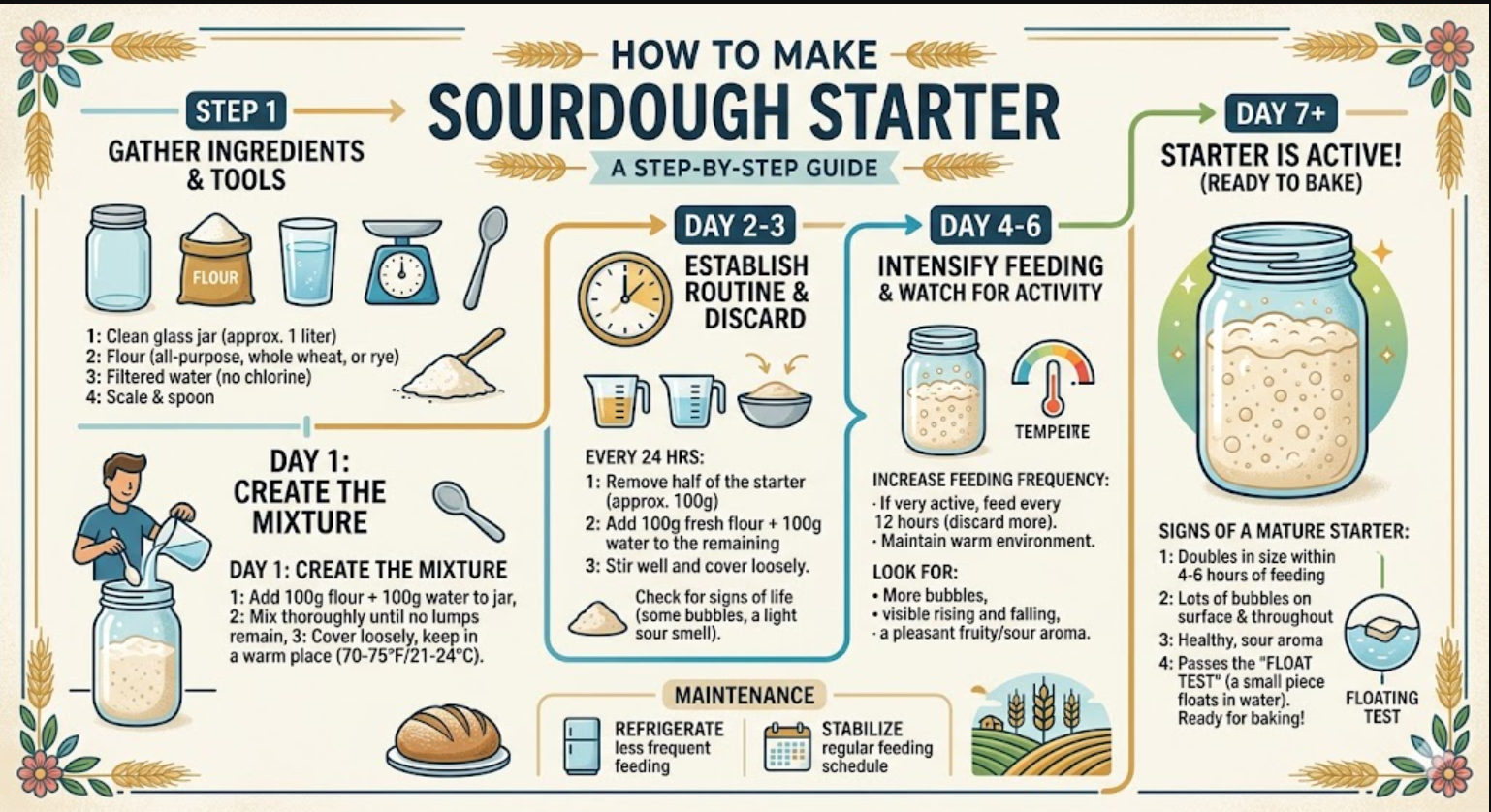
The process of how to make sourdough starter begins with combining equal parts flour and water to form a thick, paste-like mixture. This mixture is left at room temperature in a loosely covered container to allow airflow while preventing contamination.
During the first day, microbial activity may be minimal, but by the second or third day, you may begin noticing small bubbles forming. These bubbles are a sign that wild yeast and bacteria are becoming active.
Each day, a portion of the mixture is refreshed by adding fresh flour and water. This feeding process provides new food for the microorganisms and helps maintain a balanced environment for fermentation. Over time, the mixture begins to rise and fall predictably, indicating that the yeast population is stabilizing.
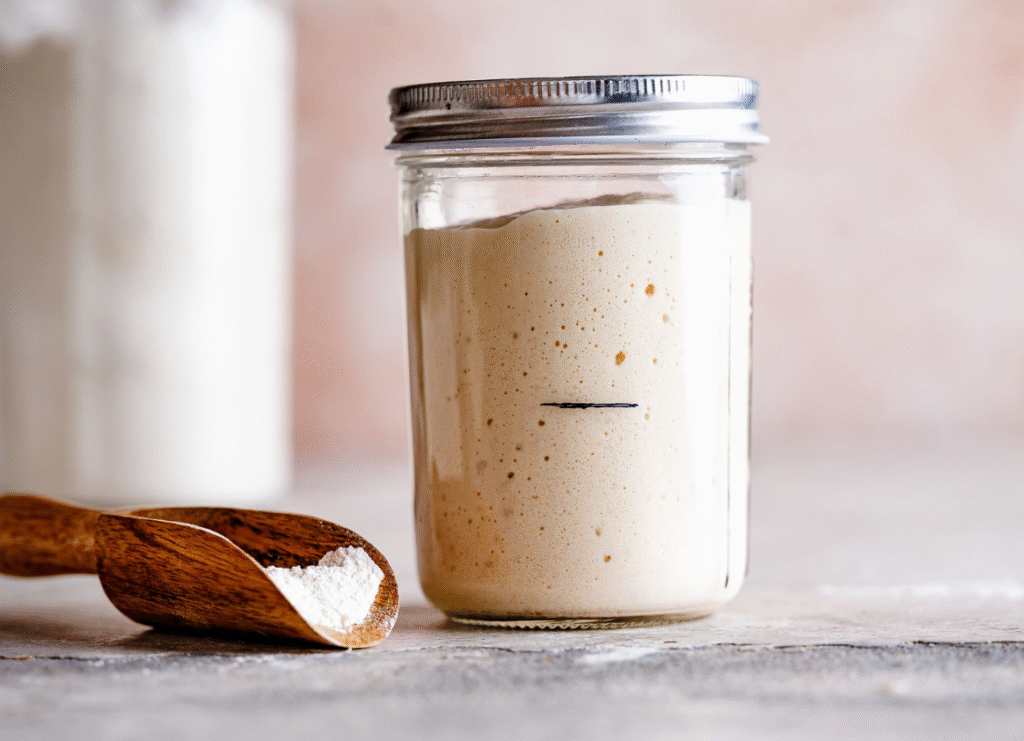
Typically, within five to ten days, a healthy sourdough starter will double in size within several hours of feeding. It will also develop a pleasant tangy aroma that resembles yogurt or mildly fermented fruit. At this stage, your starter is considered active and ready for baking.
Patience is essential when learning how to make sourdough starter because environmental factors such as room temperature, humidity, and flour type can influence the timeline. Cooler environments may slow fermentation, while warmer conditions accelerate microbial growth.
Feeding and Maintaining Your Sourdough Starter
Once you understand how to make sourdough starter, maintaining it becomes an ongoing process of feeding and observation. A healthy starter requires regular nourishment to remain active and balanced.
Feeding typically involves discarding a portion of the starter and replenishing it with fresh flour and water. This helps control acidity levels and prevents the culture from becoming overly weak or overly sour. The discard portion is often used in recipes such as pancakes, waffles, or crackers, reducing waste and adding flavor.
Also Read: Who Is Andy Carroll All About the English Footballer’s Career and
Consistency is key. When kept at room temperature, a starter may need feeding every day. When stored in the refrigerator, feeding can be reduced to once a week, slowing down fermentation while preserving the culture.
Over time, you will learn to recognize visual and aromatic cues that indicate whether your starter is thriving. A strong starter will appear bubbly, rise predictably after feeding, and smell pleasantly tangy rather than unpleasant or overly sharp.
Common Problems When Learning How to Make Sourdough Starter
Even when following instructions carefully, beginners may encounter challenges when learning how to make sourdough starter. One common issue is slow or weak fermentation. This often occurs when the environment is too cold or when the flour lacks sufficient nutrients. Switching to whole grain flour or adjusting temperature can often resolve this issue.
Another concern is the appearance of a liquid layer on top of the starter, commonly known as hooch. This is a sign that the starter is hungry and requires feeding. Stirring it back in or pouring it off before feeding can help restore balance.
Mold growth is rare but serious. If any unusual colors such as pink, orange, or fuzzy spots appear, the starter should be discarded immediately and restarted. Proper hygiene and clean containers help prevent this issue.
Understanding these potential problems is part of mastering how to make sourdough starter successfully and confidently.
Expert Tips for Successful Sourdough Fermentation
Achieving a strong and stable culture when learning how to make sourdough starter depends on attention to detail and consistency. Temperature plays a major role in fermentation speed, with warmer environments encouraging faster microbial activity.
Using high-quality flour can significantly improve results, especially flours rich in natural minerals and nutrients. Hydration also matters, as a balanced flour-to-water ratio supports optimal fermentation conditions.
Also Read: Who Is Michelle Smallmon Biography
Many experienced bakers emphasize patience as the most important factor. Rushing the process often leads to weak starters, while allowing time for natural microbial development results in a more robust culture.
Observing your starter daily helps you understand its behavior, which ultimately improves your baking intuition.
How to Use Your Sourdough Starter in Baking
Once you have successfully learned how to make sourdough starter, you can begin using it in a variety of baked goods. The most common use is sourdough bread, where the starter acts as a natural leavening agent, replacing commercial yeast.
Beyond bread, sourdough starter can be used in pizza dough, pancakes, muffins, and even cakes. The fermentation process enhances flavor complexity and can improve texture and shelf life.
The key to successful baking is ensuring your starter is active and properly fed before use. A well-maintained starter will produce consistent rise and flavor in baked goods.
Conclusion: Mastering How to Make Sourdough Starter
Learning how to make sourdough starter is both a science and an art. It requires patience, observation, and consistency, but the reward is a living culture that can be used indefinitely to create delicious, naturally fermented bread. By understanding the microbial science behind fermentation and following proper feeding practices, you can build a strong starter that becomes a reliable part of your kitchen routine.
Also Read: Who Is Prajit Malhan? All About Senior Software Engineering Expertise
Whether you are baking for health, flavor, or tradition, mastering how to make sourdough starter opens the door to a timeless baking craft that connects you with centuries of culinary heritage.
FAQs
How long does it take to make a sourdough starter?
The time required for how to make sourdough starter typically ranges from five to ten days, depending on temperature, flour type, and environmental conditions. Warmer climates generally produce faster fermentation.
Why is my sourdough starter not bubbling?
If your starter is not bubbling, it may be too cold, underfed, or using flour with low microbial activity. Adjusting feeding frequency or switching to whole grain flour often helps activate fermentation.
Can I use tap water to make sourdough starter?
Tap water can be used when learning how to make sourdough starter, but chlorine content may slow fermentation. Filtered or dechlorinated water is often preferred for better results.
How do I know my sourdough starter is ready to bake?
Your starter is ready when it consistently doubles in size within a few hours of feeding, shows active bubbling, and has a pleasant tangy aroma. This indicates strong fermentation activity.
For more updates visit: OPEN POSTS


