








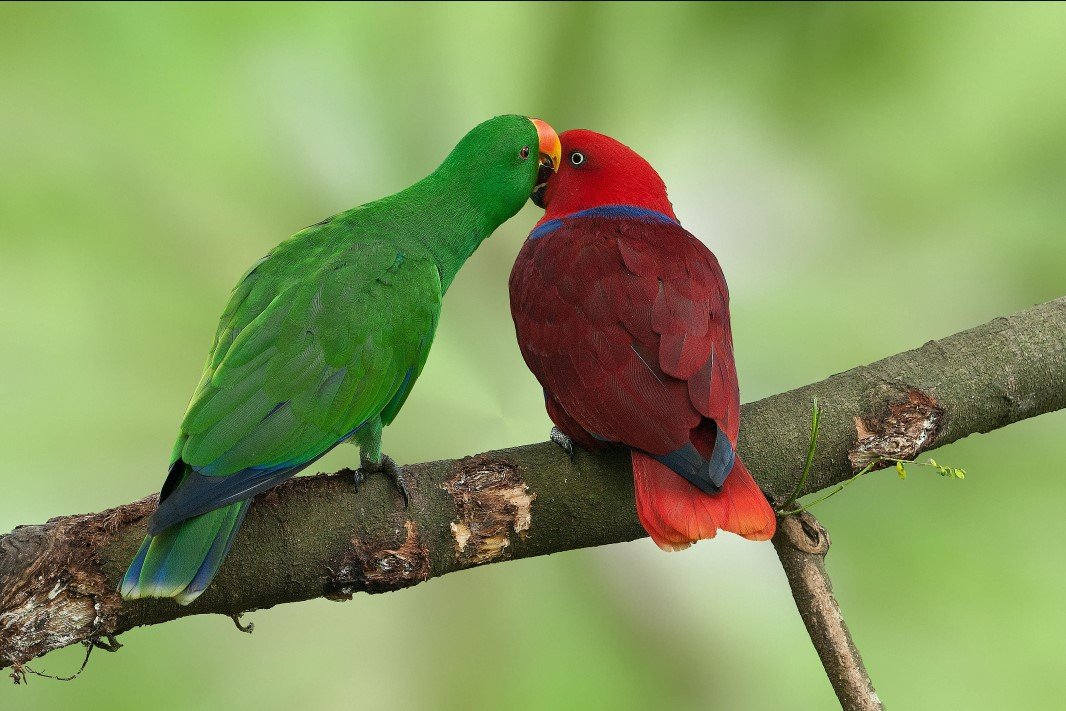
The eclectus parrot is widely considered one of the most fascinating and visually striking parrots in the avian world. Known for its vibrant colors, gentle temperament, and exceptional intelligence, this species has become increasingly popular among bird enthusiasts and pet owners. Unlike many other parrots, the eclectus parrot displays dramatic differences between males and females, making it a truly unique species both biologically and behaviorally.
Native to the rainforests of New Guinea, the Solomon Islands, and parts of northern Australia, the eclectus parrot has evolved in a rich, tropical environment that influences its dietary needs, behavior, and care requirements. These parrots are not only admired for their beauty but also for their calm demeanor, strong memory, and ability to mimic human speech clearly. However, caring for this species requires a deep understanding of its specialized nutritional needs, mental stimulation requirements, and environmental preferences.
Also Read: Why Im Building Capabilisense Redefining Capability Intelligence for a New Era
This comprehensive guide explores every aspect of the eclectus parrot, including its physical characteristics, natural habitat, personality, diet, lifespan, training, and health care. Whether you are considering adopting one or already own this remarkable bird, understanding its unique needs is essential for providing proper care and ensuring a long, healthy, and happy life.
Understanding the Origin and Natural Habitat of the Eclectus Parrot
The eclectus parrot originates from tropical regions where dense forests, abundant rainfall, and diverse plant life shape its lifestyle. These parrots are primarily found in lowland rainforests, mangroves, and woodland areas, where they spend most of their time in the upper canopy. The natural habitat provides access to fruits, seeds, flowers, and vegetation that form the foundation of their diet.
In the wild, the eclectus parrot is known for its strong flying ability and tree-dwelling nature. Unlike ground-feeding birds, they rely heavily on trees for safety, feeding, and nesting. Female parrots typically remain near nesting cavities in trees, while males travel long distances in search of food. This natural division of roles influences their behavior even in captivity, where females tend to be more territorial and males more social.
Environmental conditions in their native regions also influence their sensitivity to temperature, humidity, and stress. Replicating a comfortable and enriched environment in captivity is essential to support their physical and emotional well-being.
Physical Appearance and Unique Color Differences
One of the most remarkable features of the eclectus parrot is its extreme sexual dimorphism, meaning males and females look completely different. The male eclectus parrot displays bright emerald green feathers with orange beaks and subtle blue accents under the wings. In contrast, the female eclectus parrot exhibits deep red and purple or blue coloration with a black beak.
This dramatic difference once caused scientists to mistakenly classify males and females as separate species. The coloration serves an evolutionary purpose, helping males blend into forest greenery while females remain visible near nesting areas.
The eclectus parrot typically measures between 14 and 17 inches in length and weighs between 13 and 19 ounces. Their strong beak is perfectly adapted for cracking fruits and seeds, and their smooth feather texture gives them a distinctive, almost hair-like appearance compared to other parrots.
Their eyes also reflect differences between genders, with males often showing orange irises and females displaying lighter or yellowish tones. These physical traits make the species easy to identify and highly desirable among bird lovers.
Personality and Temperament of the Eclectus Parrot
The eclectus parrot is known for its calm, intelligent, and observant personality. Unlike hyperactive parrot species, they tend to be more thoughtful and deliberate in their actions. This makes them excellent companions for individuals seeking a quieter and more predictable pet bird.
These parrots form strong bonds with their owners and can be affectionate when properly socialized. However, they are also independent and may prefer interacting on their own terms. Female eclectus parrots tend to display stronger territorial instincts, while males are generally more easygoing and sociable.
Their intelligence allows them to recognize routines, remember people, and learn words quickly. Many owners report that their eclectus parrot speaks clearly and understands context better than other parrots.
However, emotional sensitivity is a key characteristic. They respond strongly to environmental changes, stress, and neglect. Providing consistent interaction and a stable routine helps maintain their emotional balance.
Intelligence and Talking Ability
The eclectus parrot ranks among the most intelligent parrot species, known for its exceptional speech clarity and vocabulary development. Unlike parrots that mimic sounds without context, the eclectus parrot often associates words with situations, demonstrating advanced cognitive ability.
They can learn dozens or even hundreds of words over time and are capable of mimicking household sounds such as phones, alarms, and voices. Their calm nature contributes to clearer speech compared to more excitable species.
Also Read: Symbolism Examples Meaning, Types, and Powerful Uses in Language and Life
Training sessions that use repetition, positive reinforcement, and patience yield the best results. Because of their intelligence, they also require mental stimulation through toys, puzzles, and interaction to prevent boredom.
Mental engagement is essential not only for entertainment but also for preventing behavioral problems such as feather plucking and anxiety.
Diet and Nutritional Requirements
The diet of the eclectus parrot differs significantly from many other parrot species due to its specialized digestive system. In the wild, they consume a diet rich in fruits, vegetables, blossoms, and plant material. Their digestive tract is longer than most parrots, allowing them to extract nutrients efficiently from fibrous plant matter.
A proper diet in captivity should emphasize fresh fruits and vegetables such as papaya, mango, carrots, leafy greens, and squash. These foods provide essential vitamins, minerals, and antioxidants necessary for maintaining feather health and immune function.
Processed pellets and seed-heavy diets should be limited because they can lead to nutritional imbalances. The eclectus parrot is particularly sensitive to artificial additives, preservatives, and excessive vitamins, which can cause health and behavioral issues.
Fresh, natural foods should form the foundation of their diet to support optimal health and longevity.
Lifespan and Long-Term Commitment
The eclectus parrot is a long-lived species, with an average lifespan ranging from 30 to 50 years in captivity when properly cared for. Some individuals have been reported to live even longer under ideal conditions.
This long lifespan makes owning an eclectus parrot a significant long-term commitment. Prospective owners must be prepared to provide consistent care, attention, and resources for decades.
Factors that influence lifespan include diet quality, mental stimulation, veterinary care, and environmental safety. Birds that receive proper nutrition and regular interaction tend to live longer and healthier lives.
Understanding this commitment is essential before adopting this species.
Housing and Environmental Needs
Providing a suitable living environment is essential for the health and happiness of the eclectus parrot. They require spacious cages that allow movement, wing stretching, and climbing. The cage should include perches of different sizes and textures to promote foot health.
Environmental enrichment is equally important. Toys, branches, and interactive elements help stimulate their mind and prevent boredom. Because they are sensitive birds, their environment should remain calm and free from excessive noise or sudden changes.
Access to natural light and fresh air also contributes to their well-being. However, they should be protected from extreme temperatures and drafts.
Creating a stable and enriching environment supports both physical and emotional health.
Socialization and Human Interaction

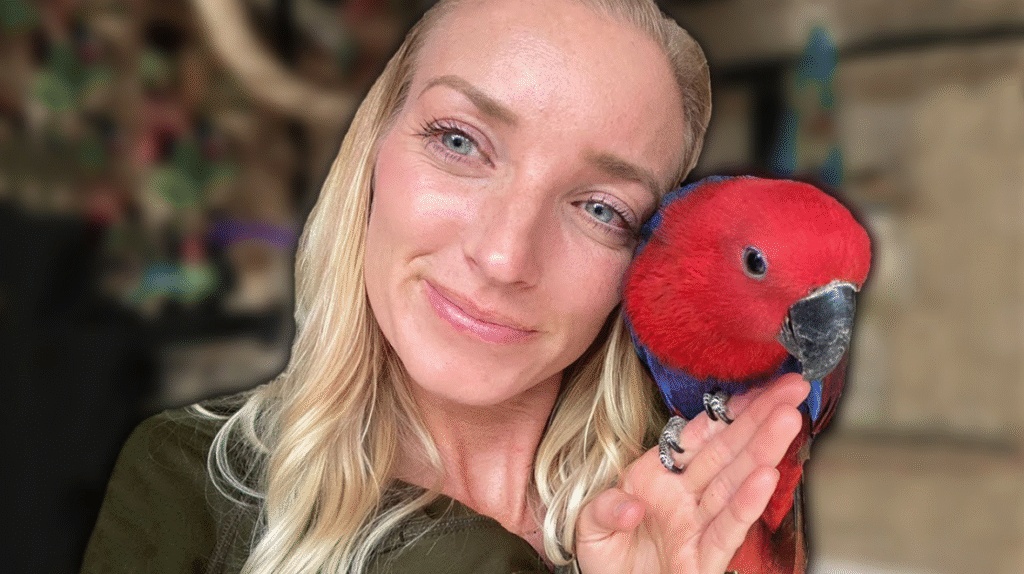
The eclectus parrot thrives on social interaction and bonding. While they may not demand constant attention, regular engagement strengthens their emotional well-being. Interaction can include talking, training, and supervised out-of-cage time.
Early socialization helps develop confidence and reduces fear or aggression. Birds exposed to different people and experiences during development tend to adapt better to new situations.
Consistency in interaction builds trust and strengthens the bond between bird and owner.
Neglect or isolation can lead to emotional distress and behavioral problems.
Training and Behavioral Development
Training the eclectus parrot is generally easier compared to many other species due to their intelligence and calm nature. Positive reinforcement techniques such as praise and rewards are highly effective.
Training can include step-up commands, recall, and speech development. Regular sessions help maintain mental stimulation and strengthen communication.
Patience and consistency are essential. Harsh discipline or punishment should never be used, as it can damage trust.
Proper training promotes a well-adjusted and confident bird.
Common Health Concerns and Prevention
The eclectus parrot is generally hardy but can develop health issues if improperly cared for. Nutritional deficiencies, obesity, feather problems, and stress-related behaviors are among the most common concerns.
Providing a balanced diet, regular veterinary checkups, and a stimulating environment helps prevent many health problems.
Also Read: Cecropia Moth Symbolism Meaning, Spiritual Messages, and Life Lessons
Owners should monitor changes in appetite, behavior, or feather condition as early indicators of potential issues.
Preventive care is key to maintaining long-term health.
Differences Between Male and Female Eclectus Parrot Behavior
Male and female eclectus parrots often display distinct behavioral patterns. Males tend to be more social, friendly, and easier to handle. Females may be more assertive and territorial, especially during breeding periods.
These behavioral differences stem from their natural roles in the wild.
Understanding these differences helps owners provide appropriate care and interaction.
Is the Eclectus Parrot a Good Pet?
The eclectus parrot can make an excellent pet for experienced and dedicated owners. Their intelligence, beauty, and calm temperament make them highly rewarding companions.
However, they require specialized care, proper diet, and consistent attention. They are best suited for individuals who can provide long-term commitment and enrichment.
Understanding their needs ensures a positive and fulfilling ownership experience.
Conclusion
The eclectus parrot stands out as one of the most remarkable parrot species due to its stunning appearance, intelligence, and gentle personality. Native to tropical forests, this bird has evolved with specialized dietary and environmental needs that must be carefully replicated in captivity. Their ability to form strong bonds, learn speech, and display emotional sensitivity makes them unique among companion birds.
Also Read: How to Make Life in Little Alchemy The Ultimate Guide
Owning an eclectus parrot requires dedication, knowledge, and long-term commitment. Providing a proper diet, enriched environment, regular interaction, and veterinary care ensures their health and happiness. For those willing to invest time and care, the eclectus parrot offers decades of companionship and joy.
FAQs
What makes the eclectus parrot unique compared to other parrots?
The eclectus parrot is unique due to its dramatic color differences between males and females and its specialized diet and calm temperament.
How long does an eclectus parrot live?
With proper care, the eclectus parrot can live between 30 and 50 years or more.
Is the eclectus parrot good at talking?
Yes, the eclectus parrot is known for clear speech and excellent vocabulary development.
What is the best diet for an eclectus parrot?
A diet rich in fresh fruits, vegetables, and natural plant foods is ideal.
Are eclectus parrots easy to care for?
They require specialized care and are best suited for knowledgeable and committed owners.
For more updates visits: OPEN POSTS


1 Comment
Pingback: JustParrot.gg The Ultimate Parrot Forum for Passionate Bird Owners - Open Posts