








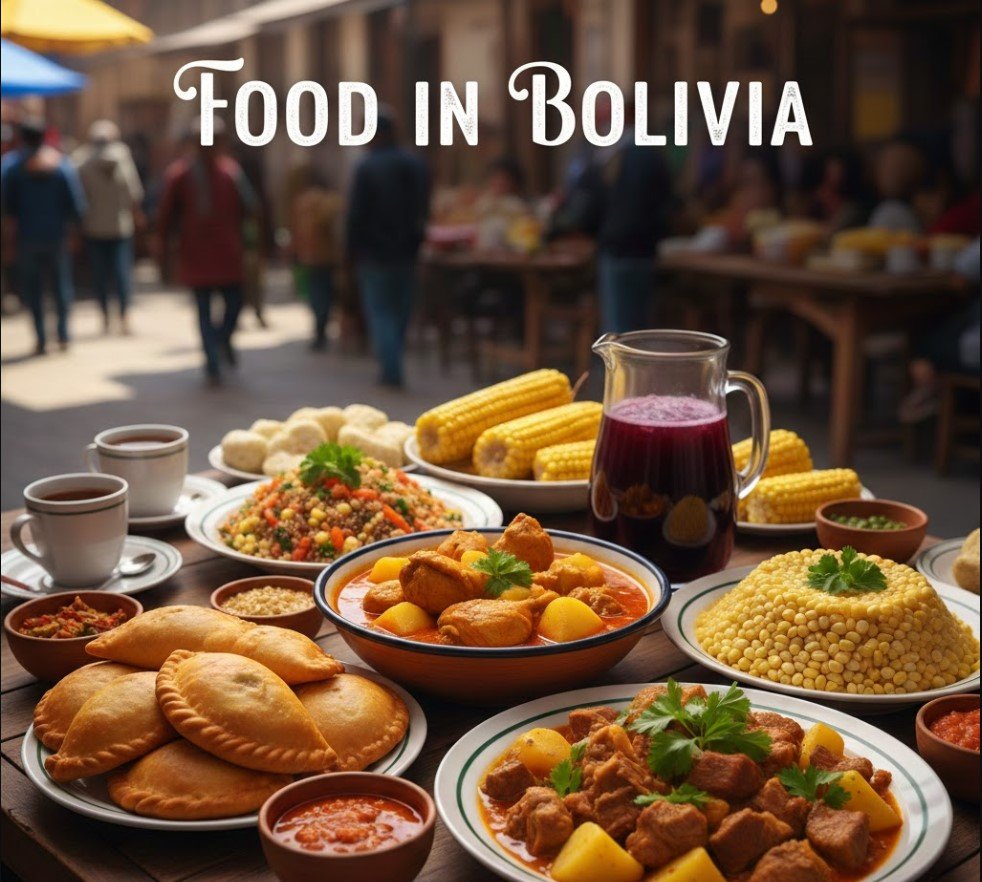
Food in Bolivia reflects the country’s deep indigenous roots, dramatic geography, and centuries of cultural exchange. From the icy peaks of the Andes to the lush Amazon basin and fertile lowlands, Bolivia’s diverse landscapes shape its culinary identity in powerful ways. Every region contributes distinct ingredients, cooking techniques, and traditions that together form one of South America’s most underrated food cultures. Exploring food in Bolivia is not just about tasting meals but about understanding history, community, and survival in one of the world’s most geographically complex nations.
Bolivian cuisine remains deeply connected to local agriculture and ancestral practices. Many dishes consumed today are direct descendants of pre-Columbian meals, adapted over time with Spanish influences and modern cooking methods. Corn, potatoes, quinoa, and beans remain staples, while meats like beef, chicken, pork, and llama are prepared with slow, flavorful techniques. Food in Bolivia is hearty, comforting, and designed to nourish people living at high altitudes and in varied climates. This guide explores Bolivian food culture in depth, covering regional specialties, everyday meals, street food traditions, and the social importance of eating together.
Understanding the Cultural Roots of Food in Bolivia
To truly appreciate food in Bolivia, it is essential to understand its cultural foundation. Bolivia has one of the highest percentages of indigenous people in South America, with Quechua, Aymara, and Guaraní communities playing a central role in shaping national cuisine. Long before European contact, indigenous societies cultivated crops that would later gain global recognition, including potatoes and quinoa. These ingredients remain central to food in Bolivia today.
Also Read: Code of Connection Unlocking the Power of Meaningful Relationships
Spanish colonization introduced wheat, rice, cattle, dairy products, and new cooking fats, which blended with indigenous food systems rather than replacing them. This fusion created a culinary identity that feels both ancient and familiar. Meals are often built around soups, stews, and slow-cooked dishes that reflect communal living and agricultural cycles. Food in Bolivia is not rushed. Cooking is an act of care, often passed down through generations, with recipes learned through observation rather than written instruction.
Religion and tradition also influence Bolivian cuisine. Many dishes are tied to festivals, religious holidays, and seasonal harvests. During major celebrations, families prepare elaborate meals that can take days to complete. These traditions reinforce social bonds and preserve culinary knowledge that might otherwise be lost.
Regional Diversity in Food in Bolivia
One of the defining characteristics of food in Bolivia is its regional diversity. The country is divided into distinct geographic zones, each with its own climate and culinary identity. The highlands, valleys, and lowlands all contribute unique flavors and techniques that together form a complete picture of Bolivian cuisine.
Food in Bolivia’s Andean Highlands
The Andean highlands, including cities like La Paz, Oruro, and Potosí, are known for robust and filling dishes designed to sustain people living at extreme altitudes. Potatoes dominate the cuisine, with hundreds of native varieties grown across the region. Chuño, a freeze-dried potato developed by ancient Andean communities, remains a key ingredient in many traditional meals.
Also Read: Lewd Influencer Meaning, Culture, and Influence in the Digital Age
Soups play a central role in highland food in Bolivia. They are often served as the main meal rather than a starter and are packed with grains, vegetables, and meat. These soups are valued for their warmth and nutritional density, which are essential in cold mountain climates. Spices are used moderately, allowing the natural flavors of ingredients to shine.
Food in Bolivia’s Central Valleys
The valleys of Cochabamba and Chuquisaca are often described as the heart of Bolivian gastronomy. Thanks to a milder climate and fertile soil, these regions produce an abundance of fruits, vegetables, and grains. Food in Bolivia from the valleys tends to be more balanced and diverse, combining highland staples with lowland influences.
Cochabamba in particular is famous for its generous portions and rich flavors. Meals often include rice, potatoes, meat, and fresh salads served together. The region is also known for its baked goods and corn-based dishes, which showcase agricultural abundance. Many Bolivians consider valley cuisine to be the most representative expression of national food culture.
Food in Bolivia’s Eastern Lowlands
The eastern lowlands, including Santa Cruz and the Amazonian regions, offer a completely different perspective on food in Bolivia. Here, tropical fruits, freshwater fish, and rice take center stage. The cuisine is lighter and often grilled or roasted rather than stewed.
Cassava, plantains, and maize are common ingredients, reflecting the influence of indigenous Amazonian communities. Meals are often accompanied by refreshing beverages made from local fruits. Food in Bolivia’s lowlands emphasizes freshness and simplicity, highlighting the natural flavors of ingredients rather than complex preparation.
Traditional Dishes That Define Food in Bolivia
Traditional dishes are the backbone of food in Bolivia, representing centuries of adaptation and cultural continuity. These meals are commonly prepared at home, sold in local markets, and served during festivals, making them essential to everyday life.
Salteñas are one of the most iconic examples of food in Bolivia. These baked pastries are filled with a mixture of meat, potatoes, vegetables, and a slightly sweet, spicy broth. Eating a salteña requires skill, as the liquid filling must be consumed without spilling. They are typically eaten in the morning and are considered both a snack and a complete meal.
Also Read: Cevurı Understanding the Emerging Concept Shaping Modern Change
Another cornerstone of food in Bolivia is silpancho, a hearty dish originating from Cochabamba. It features a thin slice of breaded meat served over rice and potatoes, topped with a fried egg and fresh tomato-onion salad. The combination of textures and flavors makes it a favorite among locals and visitors alike.
Pique macho is a social dish often shared among friends. It consists of bite-sized pieces of beef, sausage, potatoes, peppers, and onions, topped with sauces and sometimes cheese. This dish reflects the communal nature of food in Bolivia, where sharing plates strengthens social connections.
Street Food Culture and Food in Bolivia
Street food is an essential part of food in Bolivia, offering affordable, flavorful meals that reflect regional tastes. Markets and street corners come alive with vendors selling freshly prepared dishes from early morning until late at night. These foods are deeply trusted by locals and are often considered more authentic than restaurant offerings.
Anticuchos, grilled skewers of marinated meat, are a popular street food found throughout the country. They are typically cooked over open flames and served with potatoes and spicy sauce. The smoky aroma and bold flavors make anticuchos a staple of Bolivian nightlife.
Another beloved street food is api, a warm corn-based drink often served with pastries. It is especially popular in the mornings and evenings, providing comfort during cold highland nights. Street food represents the everyday reality of food in Bolivia, where tradition meets practicality.
Ingredients That Shape Food in Bolivia
The ingredients used in food in Bolivia tell a story of biodiversity and resilience. Potatoes are perhaps the most famous, with Bolivia recognized as one of their original homes. These tubers appear in countless forms, from fresh and boiled to dried and rehydrated.
Also Read: Exploring MyStuff McDonald’s: A Digital Revolution in Customer Experience
Quinoa is another ancient grain that has gained international fame. Long before it became a global health trend, quinoa was a dietary staple in food in Bolivia. It is valued for its nutritional profile and adaptability to harsh growing conditions.
Corn, beans, and peppers are also fundamental ingredients. They provide structure and flavor to many dishes without overpowering other components. Meats are often locally sourced, and dairy products are used sparingly but effectively.
Modern Influences and the Evolution of Food in Bolivia
While traditional cuisine remains strong, food in Bolivia is also evolving. Urban centers are seeing a rise in contemporary restaurants that reinterpret classic dishes using modern techniques. Young chefs are drawing inspiration from ancestral ingredients while presenting them in innovative ways.
This culinary evolution is helping bring international attention to food in Bolivia. Culinary festivals, cooking schools, and food tourism initiatives are encouraging both locals and visitors to explore Bolivian flavors more deeply. Despite these changes, respect for tradition remains central, ensuring that innovation does not erase cultural identity.
Eating Etiquette and Daily Food Habits in Bolivia
Understanding food in Bolivia also means understanding how and when people eat. Breakfast is usually light, often consisting of bread and hot drinks. Lunch is the main meal of the day and may include multiple courses, starting with soup and followed by a substantial main dish. Dinner is typically lighter and eaten later in the evening.
Also Read: Content Cz Mobilesoft AppBlock FileProvider Cache Blank HTML A Comprehensive Guide
Meals are social events, especially on weekends and holidays. Families gather to cook and eat together, reinforcing bonds through shared food. Hospitality is highly valued, and guests are often encouraged to eat generously as a sign of respect.
Health, Nutrition, and Sustainability in Food in Bolivia
Food in Bolivia is naturally aligned with principles of sustainability and nutrition. Many traditional diets rely on locally grown, minimally processed ingredients. This approach supports local farmers and preserves biodiversity while providing balanced nutrition.
There is growing interest in promoting indigenous crops like quinoa and native potatoes as part of global efforts to improve food security. Bolivia’s food traditions offer valuable lessons in sustainable agriculture and community-based food systems.
Conclusion
Food in Bolivia is a rich tapestry woven from history, geography, and cultural resilience. It reflects the wisdom of indigenous communities, the influence of colonial history, and the creativity of modern chefs. From comforting soups in the highlands to vibrant street food in bustling markets, Bolivian cuisine offers depth, authenticity, and soul.
Also Read: Cracker Barrel Menu for Today’s Specials: Delicious Daily Selections You Can’t Miss!
As global interest in traditional and sustainable food cultures grows, food in Bolivia stands out as a powerful example of how cuisine can preserve identity while adapting to change. Exploring Bolivian food is not just a culinary journey but an invitation to understand a nation through its most intimate expression.
FAQs
Is food in Bolivia spicy?
Food in Bolivia is generally mild, with heat added through sauces rather than incorporated directly into dishes, allowing diners to adjust spice levels to their preference.
What is the most common ingredient in food in Bolivia?
Potatoes are the most common ingredient, appearing in countless varieties and preparations across the country.
Is Bolivian food suitable for vegetarians?
While meat is common, many traditional dishes and soups are plant-based or can be adapted using vegetables, grains, and legumes.
What makes food in Bolivia unique compared to other South American cuisines?
The strong preservation of indigenous ingredients and techniques, combined with regional diversity, sets food in Bolivia apart from its neighbors.
Is street food safe to eat in Bolivia?
Street food is widely consumed by locals and is generally safe when purchased from busy vendors who prepare food fresh and maintain cleanliness.
For more updates visits: OPEN POSTS


2 Comments
Pingback: Đeman The Artistic Journey of a Rising Musical Voice - Open Posts
Pingback: WNC CBD A Complete Guide to Quality, Benefits, and Smart Savings - Open Posts