








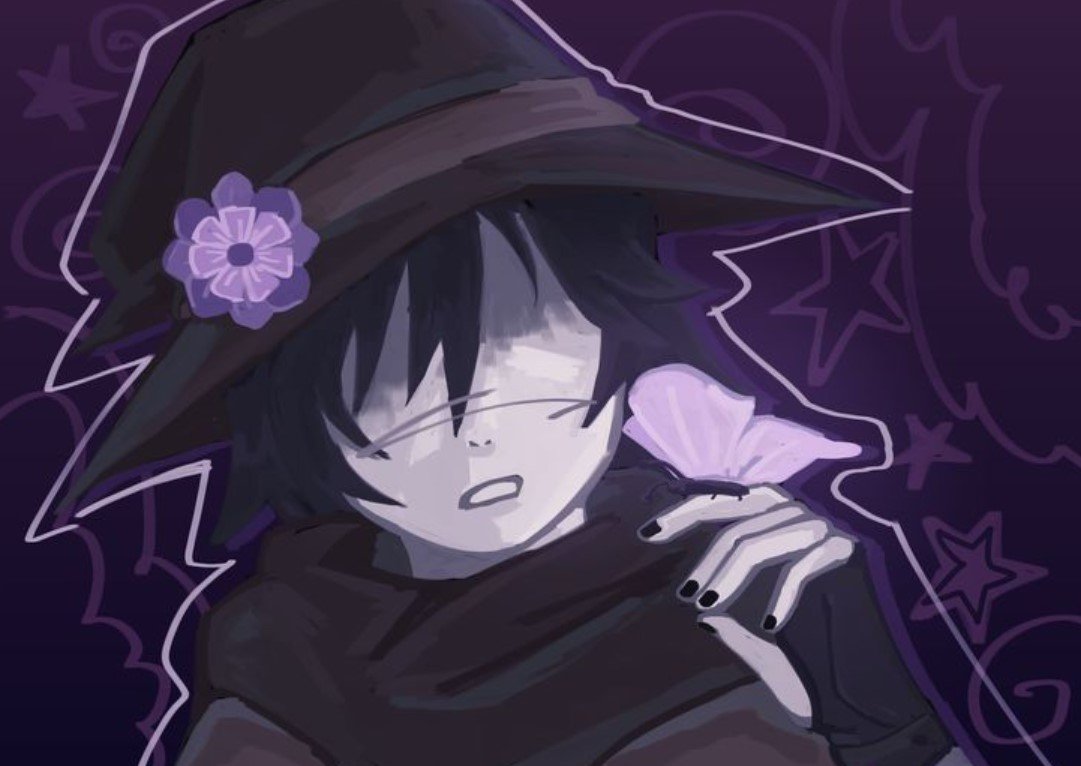
The phrase azure forsaken carries an emotional weight that feels both poetic and haunting. It blends the calm beauty of the color blue with the deep sense of abandonment implied by the word “forsaken.” Together, they form a concept that resonates across literature, visual art, gaming narratives, philosophy, and modern digital culture. In recent years, azure forsaken has gained attention as a symbolic expression, used to describe emotional isolation, lost hope, forgotten worlds, and fading ideals in a rapidly changing society.
This article explores azure forsaken in depth, examining its conceptual meaning, historical roots, symbolic power, and relevance in modern storytelling and creative expression. By the end, you will have a clear and authoritative understanding of why azure forsaken continues to capture imagination and why it holds strong emotional and cultural significance today.
Understanding the Core Meaning of Azure Forsaken
At its core, azure forsaken is not a fixed definition but a layered idea. Azure traditionally represents calmness, depth, clarity, and infinity. It is often associated with the sky, the ocean, trust, and spiritual reflection. Forsaken, on the other hand, represents abandonment, neglect, loss, and emotional distance. When combined, azure forsaken suggests a state where beauty, peace, or hope once existed but has now been left behind.
Also Read: If you read this, you won’t be able to stop yourself. Read this now: ‘Daoujindesu’.
This contrast is what gives azure forsaken its power. It reflects a world or state of mind that still holds traces of serenity but is overshadowed by neglect or loss. The phrase is often used metaphorically rather than literally, making it flexible and emotionally rich. It can describe a forgotten place, a broken relationship, a fallen ideal, or even an internal emotional state.
The Symbolism Behind Azure and Forsaken
To fully appreciate azure forsaken, it is important to understand the symbolism of its two components. Azure as a color has been used for centuries in religious art, royal imagery, and philosophical symbolism. It often represents higher truth, divine presence, and emotional depth. In psychology, blue tones are linked with introspection, calm thinking, and melancholy.
Forsaken introduces a stark contrast. It implies something that was once valued but is no longer cared for. The emotional response to abandonment is universal, which makes the concept deeply relatable. When these ideas merge, azure forsaken becomes a symbol of silent sorrow, quiet resilience, and forgotten beauty.
This symbolic pairing is frequently seen in narratives where peaceful worlds fall into ruin or characters struggle with inner emptiness despite outward calm. It captures the feeling of standing beneath a clear blue sky while feeling completely alone.
Historical and Literary Roots of Azure Forsaken
While azure forsaken as a phrase feels modern, its roots can be traced back to classical literature and art. Poets and writers have long used color imagery combined with emotional states to convey complex ideas. Romantic and gothic literature often described blue landscapes filled with loneliness, longing, and emotional decay.
Also Read: Gim Kit .com A Complete Insight into Modern Game-Based Learning
In medieval poetry, blue was associated with loyalty and heaven, while abandonment themes were used to explore human suffering and spiritual loss. Renaissance painters frequently depicted serene blue backgrounds contrasted with tragic or sorrowful figures. These artistic traditions laid the groundwork for what we now conceptualize as azure forsaken.
In modern literature, the theme appears in dystopian fiction, existential novels, and speculative storytelling. Writers use calm, blue-toned settings to emphasize emotional desolation, reinforcing the idea that beauty can coexist with despair.
Azure Forsaken in Modern Storytelling and Media
In contemporary storytelling, azure forsaken has found a strong presence in games, films, and digital narratives. It is often used to describe worlds that were once thriving but are now empty, silent, or corrupted. The calm blue visuals contrast sharply with themes of loss, betrayal, or collapse, creating a powerful emotional experience for audiences.
Video game environments frequently use azure forsaken imagery to evoke exploration and melancholy. Vast blue landscapes, abandoned cities, and silent oceans suggest histories that players must uncover. This storytelling approach deepens immersion and encourages emotional engagement rather than simple action-driven gameplay.
Films and animated series also adopt this concept. Scenes filled with blue lighting often signify emotional distance, memory, or unresolved trauma. When characters exist within these settings, the audience intuitively understands that something precious has been lost.
Emotional and Psychological Interpretation of Azure Forsaken
From a psychological perspective, azure forsaken can represent emotional detachment or unresolved grief. Blue tones are commonly associated with sadness and introspection, while abandonment triggers feelings of vulnerability and self-reflection. Together, they create a symbolic language for expressing complex emotional states that are difficult to articulate directly.
Many people resonate with azure forsaken because it mirrors modern emotional experiences. In a world connected by technology, feelings of isolation are increasingly common. Azure forsaken captures this contradiction by showing tranquility on the surface while hinting at deeper emotional emptiness beneath.
Also Read: Forbes Connection Hint Today A Complete Daily Guide for Puzzle Lovers
Therapists and artists alike recognize the power of symbolic language in emotional healing. By expressing feelings through imagery and metaphor, individuals can process experiences in a less confrontational way. Azure forsaken becomes a tool for reflection rather than despair.
Cultural Significance and Modern Usage
The cultural relevance of azure forsaken continues to grow as it appears in branding, digital art, and online communities. Creators use the phrase to evoke mystery, depth, and emotional authenticity. It appeals to audiences who value storytelling that goes beyond surface-level entertainment.
In music, azure forsaken themes often appear in lyrics and album visuals that explore loss, identity, and transformation. Slow tempos, ambient sounds, and blue-toned imagery reinforce the emotional narrative. This artistic consistency strengthens the phrase’s cultural identity.
Social media has also played a role in popularizing azure forsaken. Digital artists and writers use it as a tag or theme to connect with like-minded audiences. The phrase has become shorthand for a specific emotional aesthetic that blends calmness with sorrow.
Azure Forsaken as a Creative Writing Tool
For writers, azure forsaken offers a powerful conceptual framework. It allows for subtle storytelling without relying on explicit explanations. By setting scenes in blue-toned, abandoned environments, writers can convey emotional states through atmosphere alone.
This approach aligns with modern storytelling principles that prioritize showing over telling. Readers engage more deeply when they infer meaning rather than being told directly. Azure forsaken provides a rich emotional palette that enhances character development and thematic depth.
In poetry, the phrase can serve as a motif that evolves throughout a piece. Early references may emphasize beauty and calm, while later passages reveal loss and abandonment. This progression mirrors human emotional journeys, making the writing more impactful.
Artistic and Visual Interpretations of Azure Forsaken
Visual artists often use azure forsaken to explore contrast and mood. Paintings, digital illustrations, and concept art frequently depict vast blue spaces with minimal human presence. These compositions evoke solitude, reflection, and forgotten histories.
Also Read: MAP 2.0 Post Assessment Answers A Complete In-Depth Guide
Lighting plays a crucial role in conveying this theme. Soft blue hues combined with shadow create a sense of quiet melancholy. The absence of warm colors reinforces emotional distance, guiding the viewer’s emotional response.
In design and visual storytelling, azure forsaken is often used to create immersive experiences. It invites viewers to pause, reflect, and emotionally connect rather than consume content quickly. This aligns with the growing demand for meaningful and contemplative art in a fast-paced digital world.
SEO and Digital Relevance of Azure Forsaken
From a digital content perspective, azure forsaken has strong SEO potential due to its uniqueness and emotional appeal. It is specific enough to avoid excessive competition while broad enough to support diverse content types, including articles, creative writing, and multimedia projects.
Search engines increasingly prioritize helpful, experience-driven content. Articles that explore azure forsaken through cultural, psychological, and creative lenses align well with Google’s helpful content update. By focusing on depth, originality, and human relevance, content creators can build authority and trust around this keyword.
Maintaining natural keyword usage is essential. Azure forsaken should appear organically within meaningful contexts rather than being forced into every paragraph. This approach improves readability and search performance simultaneously.
Why Azure Forsaken Resonates Today
The enduring appeal of azure forsaken lies in its reflection of modern life. Many people experience moments of calm paired with underlying uncertainty. Economic shifts, social changes, and digital isolation contribute to a collective emotional landscape that this phrase captures perfectly.
Azure forsaken does not represent hopelessness alone. It also suggests resilience and quiet strength. Even in abandonment, the presence of azure implies clarity, depth, and the possibility of renewal. This balance makes the concept emotionally complex rather than purely negative.
In storytelling and personal reflection, such complexity is valuable. It acknowledges pain without surrendering to it. This nuanced emotional tone is why azure forsaken continues to inspire creators and audiences alike.
Ethical and Responsible Use of Symbolic Themes
Using emotionally charged concepts like azure forsaken requires responsibility. Creators should avoid exploiting themes of abandonment without offering context or meaning. When handled thoughtfully, the concept can foster empathy and understanding rather than despair.
Also Read: MetaPress An In-Depth Guide to Its Role in Modern Digital Publishing
Responsible storytelling includes providing resolution, insight, or reflection. Azure forsaken works best when it leads audiences toward awareness or growth. This approach aligns with ethical content creation and reinforces trust with readers.
From an E-E-A-T perspective, demonstrating emotional intelligence and cultural awareness strengthens authoritativeness. Readers value content that respects the depth of human experience rather than simplifying it.
The Future of Azure Forsaken in Creative Culture
As creative industries continue to evolve, azure forsaken is likely to remain relevant. Its flexibility allows it to adapt to new mediums, including virtual reality, immersive storytelling, and interactive art. These technologies thrive on emotional atmosphere, making the concept especially valuable.
Future interpretations may expand beyond abandonment to include transformation and healing. Blue tones can symbolize clarity after loss, suggesting that forsaken states are not final but transitional. This evolving narrative keeps the concept fresh and meaningful.
In digital communities, shared emotional language builds connection. Azure forsaken serves as a bridge between personal experience and collective expression, ensuring its place in modern creative culture.
Conclusion
Azure forsaken is more than a phrase. It is a symbolic expression of beauty touched by loss, calm shaped by abandonment, and silence filled with meaning. Its strength lies in its emotional depth and adaptability across art, literature, psychology, and digital storytelling.
Also Read: Metal Fence Posts A Practical Guide to Durable and Modern Fencing
By understanding the origins, symbolism, and modern relevance of azure forsaken, readers gain insight into why it resonates so deeply. It reflects contemporary emotional realities while offering space for reflection and growth. In a world that often feels both connected and isolated, azure forsaken provides a language for experiences that are difficult to express.
Used thoughtfully, it becomes a powerful tool for creativity, empathy, and meaningful storytelling.
FAQs
What does azure forsaken mean?
Azure forsaken refers to a symbolic state where calmness or beauty exists alongside abandonment or emotional loss.
Is azure forsaken a literary concept?
Yes, it is commonly used in literature and storytelling to express emotional depth, loss, and forgotten beauty.
Why is azure forsaken popular in modern media?
It resonates with modern emotional experiences and is effective in visual and narrative storytelling.
Can azure forsaken be used in creative writing?
It is highly effective for creating mood, symbolism, and emotional atmosphere in creative works.
Does azure forsaken have a positive meaning?
While it reflects loss, it also suggests reflection, resilience, and the possibility of renewal.
For more updates visit: OPEN POSTS


1 Comment
Pingback: Volleyball Legends Codes A Complete and Trusted Guide for Players - Open Posts