








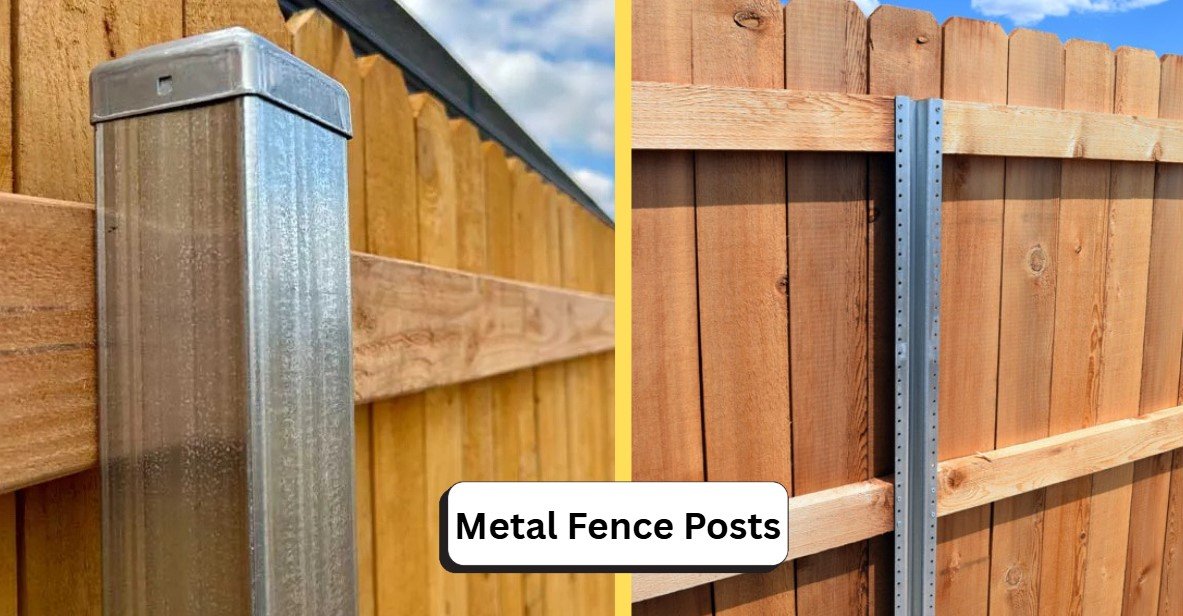
Metal fence posts are widely recognized as one of the most reliable structural components in modern fencing systems. Their ability to withstand harsh environments, heavy loads, and long-term use has made them a preferred option for residential, commercial, agricultural, and industrial properties. As property owners increasingly prioritize durability, security, and low maintenance, this fencing solution continues to gain popularity.
This in-depth guide explores how metal fence posts function, why they outperform many traditional materials, and how to choose the right option for long-term performance. The content is grounded in industry best practices, material science, and real-world application to ensure accuracy, trust, and usability.
The Role of Metal Posts in Modern Fencing Systems
Fence posts serve as the backbone of any fencing structure, carrying tension, absorbing environmental stress, and maintaining alignment over time. When manufactured from steel or aluminum, these posts provide superior structural integrity compared to wood or plastic alternatives.
People can also read this: Anker Qi2 Why This Next-Gen Wireless Charger Is Essential in 2026
Their uniform shape allows for consistent spacing and easier installation, resulting in a cleaner appearance and stronger overall fence line. Because they do not absorb moisture, they remain stable in both wet and dry conditions, which significantly reduces the risk of leaning or collapse.
Why Property Owners Are Shifting Away from Traditional Materials
Wooden fencing supports have long been used, but they come with inherent weaknesses. Exposure to moisture can lead to rot, insect infestation, and warping, often requiring replacement within a few years. Concrete posts, while strong, are heavy, labor-intensive, and less flexible for design changes.
Metal-based fencing supports offer a balance of strength, adaptability, and longevity. They perform well across different climates and can support various fence styles, including wire, panel, and decorative systems. This versatility makes them suitable for evolving property needs without constant upgrades.
Common Materials Used in Metal Fence Construction
Steel remains the most widely used material due to its high load-bearing capacity and resistance to impact. Galvanized steel includes a protective zinc coating that significantly slows corrosion, making it ideal for outdoor use in humid or coastal regions.
Aluminum provides a lighter alternative with natural rust resistance. While it is not as strong as steel, it is commonly chosen for residential and decorative installations where appearance and ease of handling are important. Wrought iron is typically used for ornamental fencing, offering classic aesthetics but requiring periodic maintenance to prevent surface corrosion.
People can also read this: Keyword Density Checker by Alaikas A Complete Guide to Smarter SEO Content Optimization
Each material has a specific purpose, and selecting the right one depends on structural demands, environmental exposure, and visual goals.
Performance in Harsh Weather Conditions
One of the most significant advantages of metal fencing supports is their ability to endure extreme weather. They remain unaffected by prolonged rainfall, snow accumulation, or intense sunlight. Protective coatings such as galvanization or powder coating act as barriers against oxidation and surface degradation.
In areas with temperature fluctuations, metal structures maintain dimensional stability. This prevents misalignment and reduces stress on connected fencing materials, ensuring consistent performance throughout the year.
Installation Efficiency and Structural Stability
Installation is often faster and more precise due to the uniform shape of metal components. Posts can be driven directly into the ground or set in concrete depending on soil conditions and fence height. Proper anchoring ensures long-term stability, even in high-wind areas or uneven terrain.
Correct spacing and alignment are critical for structural integrity. Because metal posts maintain their shape over time, they reduce the need for ongoing adjustments, which is a common issue with organic materials.
Cost Considerations and Long-Term Savings
While the upfront cost may be higher than untreated wood, the long-term financial benefits are substantial. Reduced maintenance, fewer replacements, and longer service life result in lower total ownership costs. Over time, this makes metal-based fencing infrastructure a more economical choice.
For commercial and agricultural properties, reliability translates directly into cost savings. Fence failures can lead to security risks or livestock loss, making durability a critical investment factor.
Environmental Impact and Sustainability Benefits
Steel and aluminum are among the most recyclable construction materials available. Many fencing components are manufactured using recycled content and can be reused at the end of their lifespan without losing strength.
People can also read this: 404.594.9134 Understanding Why This Phone Number Gets Attention
In contrast, treated wood often contains chemicals that may leach into the soil, creating environmental concerns. Choosing metal alternatives supports sustainable construction practices while maintaining performance standards.
Design Versatility and Visual Appeal
Modern manufacturing allows fencing supports to be produced in various finishes, profiles, and colors. Powder-coated options enable seamless integration with architectural styles ranging from contemporary to traditional.
Their clean, straight lines enhance overall fence appearance and allow other design elements, such as panels or rails, to stand out. This makes them suitable for both functional and decorative applications.
Security and Safety Advantages
Structural strength plays a critical role in property security. Metal fencing supports resist bending and forced entry, providing a solid foundation for security features such as anti-climb designs or reinforced panels.
In residential settings, they help maintain proper gate alignment, reducing wear on hinges and locking systems. In commercial environments, they support advanced security integrations without compromising stability.
Maintenance Requirements Over Time
Maintenance is minimal compared to organic materials. Occasional inspections and cleaning are usually sufficient to maintain appearance and performance. Protective coatings prevent rust, and minor surface damage can be repaired easily.
People can also read this: Babeltee The Future of Seamless Communication in a Global World
This low-maintenance profile is particularly beneficial for large or remote properties where frequent upkeep is impractical.
Selecting the Right Option for Your Project
Choosing the correct fencing support depends on fence height, load requirements, climate conditions, and aesthetic preferences. Steel is best suited for high-security or agricultural use, while aluminum works well for residential boundaries.
Galvanized finishes are recommended for outdoor exposure, while powder-coated surfaces provide enhanced visual appeal. Working with reputable suppliers ensures compliance with local regulations and quality standards.
Innovations and Industry Developments
Advancements in coating technology have extended the lifespan of modern fencing systems. Modular designs allow for faster installation and easier upgrades. Some systems now integrate lighting, sensors, or security wiring directly into the post structure, highlighting their adaptability.
People can also read this: Understanding Messeregge in Modern Exhibition Design
These developments demonstrate how metal fencing components continue to evolve alongside modern property needs.
Addressing Common Misconceptions
A common misconception is that metal fencing looks industrial or unattractive. In reality, modern design options allow for refined, elegant finishes. Another myth is that installation is difficult, when uniform dimensions often simplify the process compared to wood or concrete.
Understanding these facts helps property owners make informed, confident decisions.
Conclusion
Metal fence posts provide a dependable, long-term solution for modern fencing applications. Their strength, durability, environmental benefits, and low maintenance requirements make them a smart investment for residential, commercial, and agricultural use. By selecting quality materials and proper installation methods, property owners can ensure reliable performance and lasting value.
For more updates visits: OPEN POSTS


3 Comments
Pingback: MAP 2.0 Post Assessment Answers A Complete In-Depth Guide - Open Posts
Pingback: MetaPress: An In-Depth Guide to Its Role in Modern Digital Publishing
Pingback: Gim Kit .com A Complete Insight into Modern Game-Based Learning - Open Posts