








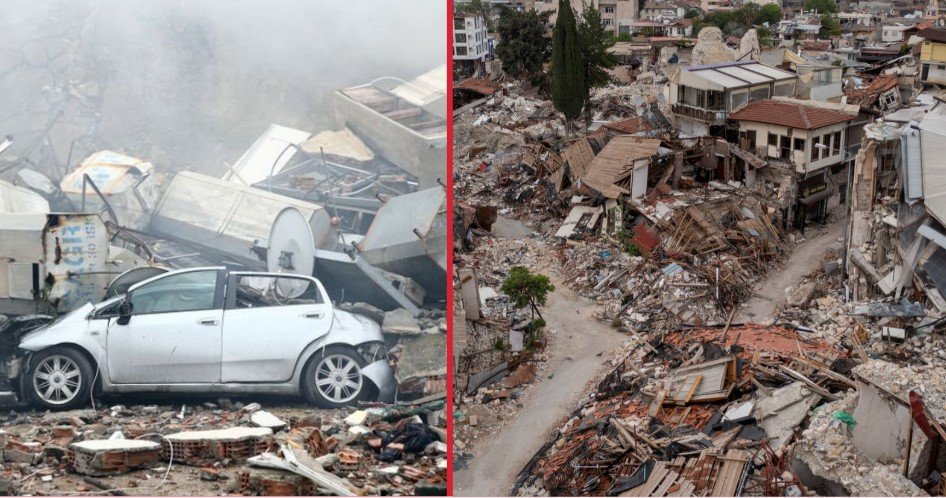
On the night of October 27, 2025, a powerful earthquake struck western Turkey, specifically the town of Sındırgı in Balıkesir Province. This 6.1 magnitude tremor, occurring at 10:48 PM local time, was felt across several major cities, including Istanbul, Izmir, Bursa, and Manisa. Scientists recorded the earthquake’s depth at approximately 6 kilometers, and aftershocks persisted into the early hours of October 28.
Impact and Immediate Response
The earthquake caused significant structural damage, particularly in Sındırgı, where several buildings that had been previously weakened by earlier seismic activity collapsed. Notably, the earthquake affected a two-story commercial building and three other structures. Despite the severity of the tremor, no fatalities have been reported. However, at least 22 individuals sustained injuries, primarily due to panic-related falls as residents evacuated buildings in haste. Emergency services promptly deployed, and public buildings opened to provide temporary shelter for displaced residents.
Broader Regional Effects
The earthquake’s effects spread beyond Sındırgı. In Balıkesir city and surrounding districts, residents reported light to moderate damage, including cracked walls and partial façade failures in some buildings. The tremors also disrupted electricity and communication lines in certain areas, but crews restored services within hours.
Historical Context
This recent earthquake follows a series of seismic events in the region. Earlier in August 2025, a 6.1 magnitude earthquake struck the same district, resulting in one fatality and over 50 injuries. The recurrence of such significant earthquakes underscores the vulnerability of the region, especially in areas with older, less resilient infrastructure.
Ongoing Recovery and Preparedness

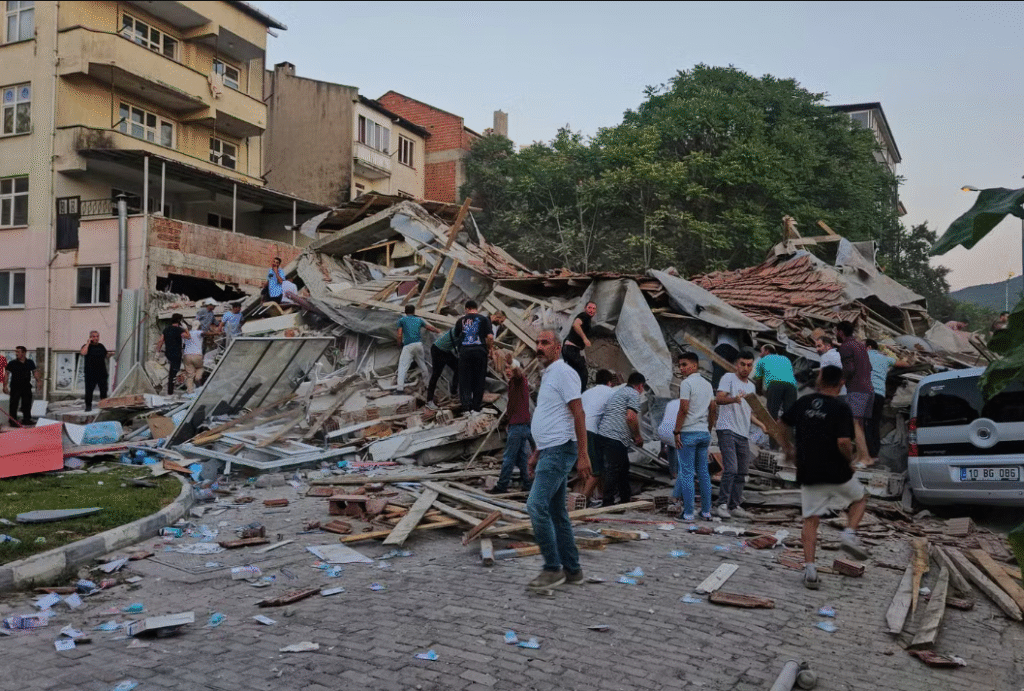
In the aftermath of the October 27 earthquake, Turkish authorities initiated damage assessments and focused on reinforcing structures they had previously identified as unsafe. The Disaster and Emergency Management Authority (AFAD) actively coordinated relief efforts and ensured the safety of affected populations.
Looking ahead, there is a concerted effort to enhance earthquake preparedness across Turkey. This includes updating building codes to ensure new constructions are more resilient to seismic activity and retrofitting older buildings to meet modern safety standards. Authorities are also launching public awareness campaigns to educate citizens on earthquake safety measures and emergency response protocols.
Conclusion
The October 27 earthquake serves as a powerful illustration of Turkey’s susceptibility to seismic events and the importance of ongoing preparedness and resilience-building efforts. While the immediate response has been swift and effective, the path to long-term recovery and mitigation is ongoing. Through continued vigilance, infrastructure improvements, and community engagement, Turkey aims to better withstand future seismic challenges.
For more updates visit: OPEN POSTS


