








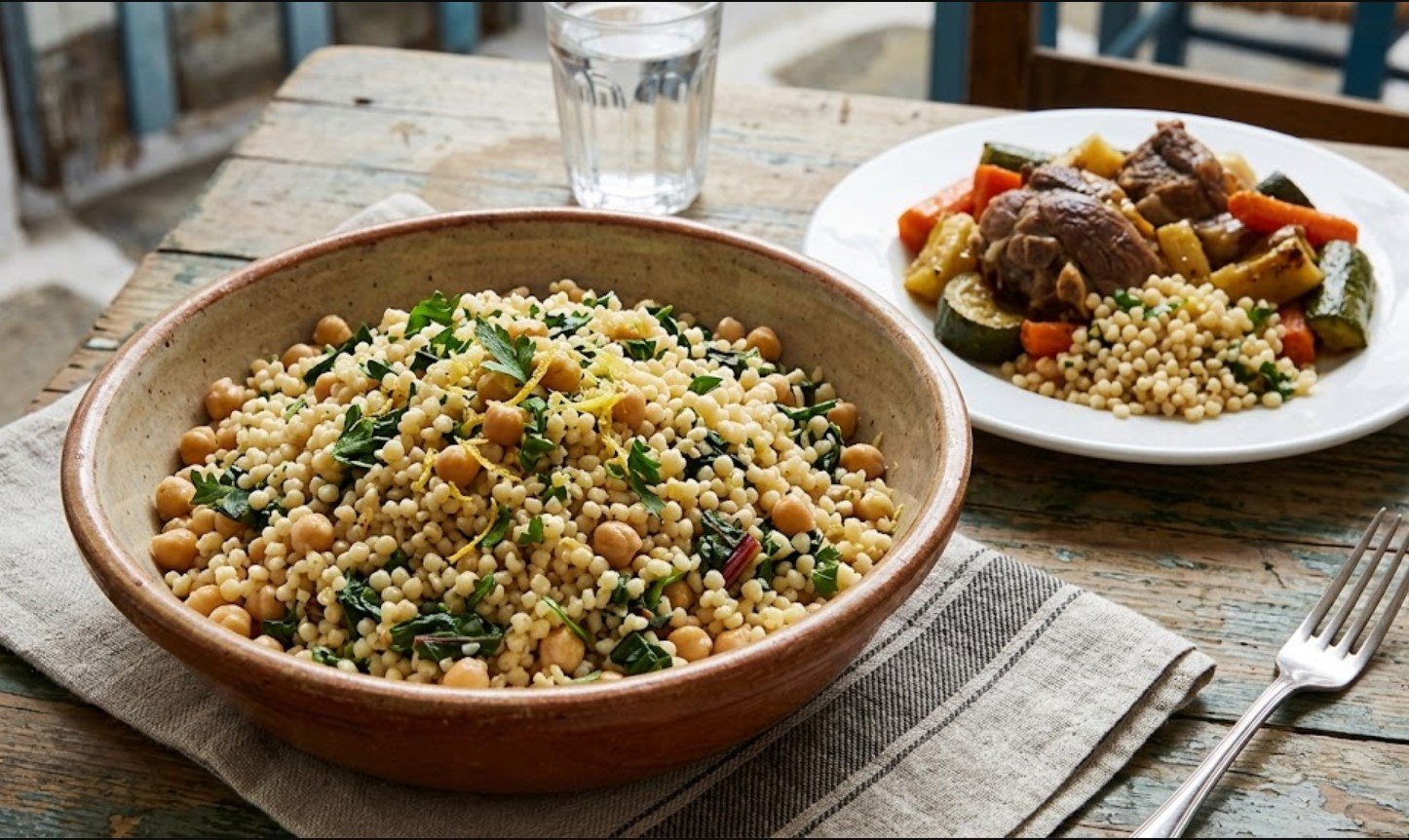
Kouskousi stands as one of North Africa’s most cherished dishes. Families in Morocco, Algeria, Tunisia, and Libya have prepared it for centuries, valuing its light, fluffy texture and the rich flavors it absorbs from stews and vegetables. Unlike instant couscous, kouskousi relies on traditional steaming methods that create a satisfying, slightly chewy grain. In this guide, we explore kouskousi’s history, preparation, variations, nutritional benefits, and cultural significance while sharing tips for cooking it perfectly.
What is Kouskousi?
Kouskousi refers to steamed semolina grains served with a variety of accompaniments. People usually pair it with slow-cooked meats, seasonal vegetables, and flavorful broths. Its texture allows the grains to soak up aromatic spices, creating a balanced and deeply satisfying dish. The term “kouskousi” may vary in spelling and pronunciation across regions, but it consistently represents this culinary staple.
Historical Origins
Historians trace kouskousi back thousands of years to the Berber communities of North Africa. Archaeological evidence shows that early civilizations prepared simple semolina-based dishes, gradually evolving them as trade introduced new spices and ingredients. Communities used kouskousi in family gatherings, religious events, and celebrations, reinforcing its cultural significance as a symbol of hospitality and unity.
Ingredients of Kouskousi
Core Ingredients
Cooks start kouskousi with semolina, water, and a pinch of salt. Traditional recipes include vegetables like carrots, zucchini, and chickpeas, along with meats such as lamb, chicken, or beef. They flavor the dish with spices such as cumin, coriander, turmeric, and saffron, while olive oil or butter adds richness. Fresh herbs provide aroma and brightness, balancing the flavors.
Traditional Preparation Methods of Kouskousi
Preparing the Semolina
Chefs moisten the semolina and gently roll it by hand to separate the grains. This step prevents clumping and ensures a uniform texture. Skilled cooks repeat the process multiple times to achieve the perfect light and fluffy consistency.
Steaming Process
Kouskousi cooks in a traditional couscoussier pot. The chef places the semolina in the top chamber while simmering the stew below. Steam rises and cooks the grains gradually without making them soggy. Fluffing the semolina between steaming sessions ensures an airy texture.
Cooking the Accompanying Stew
The stew forms the flavor foundation of kouskousi. Chefs start with onions, garlic, and spices, then add meat and vegetables in stages. This approach preserves the texture of vegetables while infusing the broth with complex aromas. The resulting stew soaks into the grains when served.
Combining Kouskousi and Accompaniments
Cooks transfer the steamed semolina to a serving dish and pour the stew over it. They arrange meat and vegetables on top, allowing the grains to absorb the flavorful broth. This combination creates a visually appealing and delicious dish that reflects the chef’s care and technique.
Regional Variations
Moroccan Kouskousi
Moroccan chefs often add subtle sweetness to kouskousi using raisins or caramelized onions. They incorporate warm spices such as cinnamon and serve it during Friday family meals or festive occasions.
Tunisian Kouskousi
Tunisian cooks emphasize spiciness, often adding harissa to the stew. Coastal regions sometimes pair kouskousi with seafood, reflecting local culinary traditions.
Algerian Kouskousi
Algerian recipes strike a balance between sweetness and spice, frequently using tomato-based broths and a variety of vegetables. Regional preferences influence the final flavor and presentation.
Libyan Kouskousi
Libyan cooks use bold spices and sometimes include dried meats or fish. Their recipes focus on hearty, flavorful stews paired with light semolina grains.
Nutritional Benefits of Kouskousi
Kouskousi provides complex carbohydrates from semolina for lasting energy. Vegetables add fiber, vitamins, and minerals, while lean meats or legumes supply protein. Olive oil contributes healthy fats, and spices bring antioxidants. This combination makes kouskousi both nourishing and satisfying.
Popular Modern Variations
Vegetarian Kouskousi
Vegetarians replace meat with legumes, roasted vegetables, or plant-based proteins. Chickpeas, lentils, and seasonal vegetables create a hearty and nutritious dish.
Spicy Kouskousi
Spicy variations highlight chili, harissa, or extra aromatic spices, delivering bold flavors for those who enjoy heat.
Sweet Kouskousi
Chefs prepare sweet kouskousi for dessert or special occasions. They add dates, almonds, honey, and cinnamon for a comforting, fragrant flavor.
Quick-Cook or Instant Kouskousi
Instant kouskousi offers convenience but lacks the texture and depth of traditional preparation. It remains a practical option for fast meals without sacrificing flavor completely.
Tips for Cooking Perfect Kouskousi
Chefs recommend fluffing semolina grains repeatedly during steaming to achieve light, airy texture. Using fresh ingredients and high-quality spices elevates flavor. Patience is essential, as rushing the steaming process can result in clumpy or uneven grains.
Serving and Presentation
Traditionally, people serve kouskousi in a large communal dish to encourage sharing. They place meat and vegetables on top of the semolina and pour the stew over the grains just before serving. This presentation enhances the dish’s visual appeal and highlights its communal nature.
Kouskousi Around the World
Kouskousi has gained popularity worldwide as international chefs and home cooks adopt its recipes. People adapt it with local ingredients while respecting traditional methods. Despite modern variations, authentic preparation continues to receive high praise for its texture, flavor, and cultural authenticity.
Cultural Significance
In North Africa, kouskousi symbolizes hospitality, tradition, and family connection. Sharing a single dish fosters togetherness, making North African couscous an essential part of social and religious gatherings. Its role goes beyond taste, reflecting centuries of cultural heritage.
Conclusion
Kouskousi remains a cornerstone of North African cuisine, combining simplicity, tradition, and flavor. From its origins in Berber communities to modern adaptations worldwide, it captivates with its light texture and rich accompaniments. Anyone exploring authentic Maghreb cuisine should experience North African couscous, appreciating both its culinary artistry and cultural significance.
For more updates visits: OPEN POSTS


