








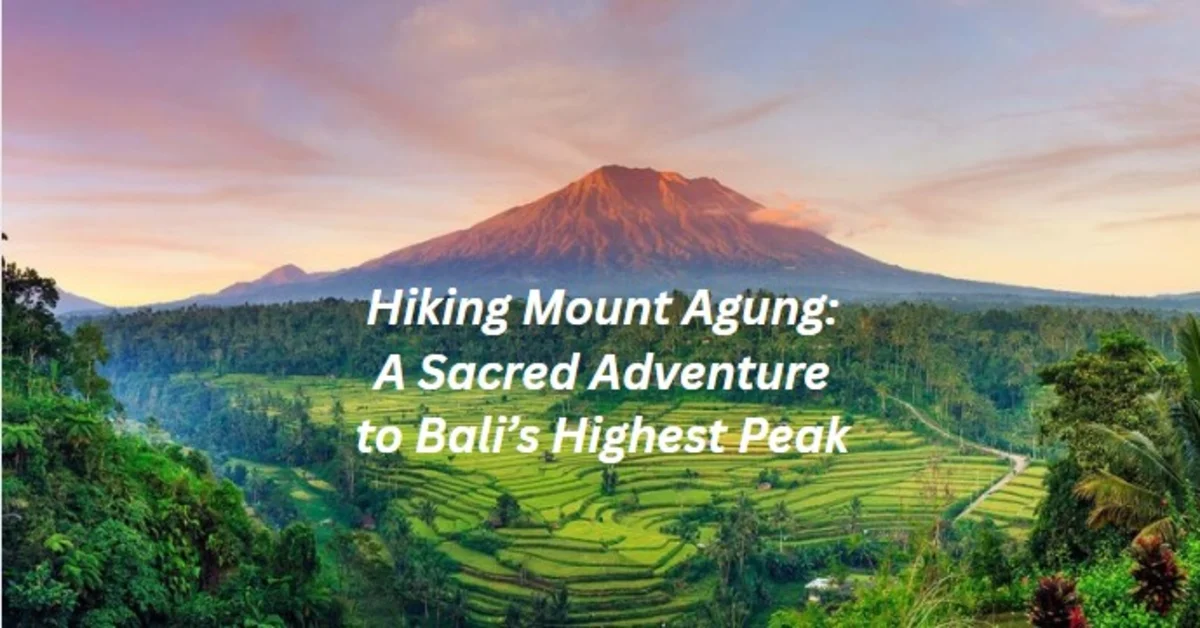
If you’re looking for an unforgettable adventure in Bali, hiking Mount Agung should be at the top of your list. Known for its spiritual significance and awe-inspiring views, this active volcano offers an incredible experience for adventurers seeking both a physical challenge and a connection to the island’s culture. Whether you’re a seasoned hiker or an enthusiastic traveler, the climb to the summit of Mount Agung is bound to leave a lasting impression.
Why Hike Mount Agung?
Mount Agung, standing at 3,142 meters (10,308 feet), is Bali’s highest peak and an iconic natural landmark. The volcano is not only famous for its challenging trails but is also considered a sacred site by the Balinese people. Climbing this majestic mountain gives you a sense of connection to both nature and the spiritual heart of Bali.
The views from the summit are absolutely breathtaking, offering a panoramic vista of Bali’s coastline, nearby islands, and the lush landscapes below. Whether you’re hiking to the crater rim or tackling the more difficult ascent to the peak, the journey will be filled with awe-inspiring landscapes and unforgettable moments.
Best Time to Hike Mount Agung
People can read this: Funny Ways to Call Someone Dumb Creative Euphemisms That Will Make You Laugh
To make the most of your Mount Agung hike, it’s important to choose the right time of year. The best months to hike are from April to October when the weather conditions are ideal. During this period, you can expect clear skies, great visibility, and a lower chance of rain. The cooler temperatures make for a more comfortable climb, but it’s still important to be prepared for cold conditions at the summit, especially in the early hours of the morning.
Preparing for the Hike
While the views from the top are worth the effort, the hike to the summit of Mount Agung is not for the faint of heart. It’s a physically demanding climb, and hikers should have an adequate fitness level to handle the challenge. The hike typically begins around midnight, with the goal of reaching the summit just in time for sunrise — a truly magical experience.
Since the trail can be steep and difficult to navigate in the dark, hiring an experienced guide is highly recommended. Guides are not only knowledgeable about the mountain, but they also know the safest routes and can provide essential support during the hike.
What to Bring for the Hike
To ensure your safety and comfort during the climb, it’s important to come prepared. Here’s what you’ll need to bring:
- Headlamp: Since the hike starts in the middle of the night, a headlamp is essential for visibility during the early hours.
- Trekking Pole: A trekking pole can help provide extra support on uneven and rocky terrain, especially during the steeper sections of the climb.
- Appropriate Clothing: Wear layers to keep warm, as temperatures at the summit can drop significantly. Be sure to bring a jacket for the cold, especially if you’re hiking during the early morning hours.
- Good Footwear: Proper hiking boots or shoes with good grip are essential, as the trail can be rocky and slippery, especially during wet weather.
- Water and Snacks: Hydration is key, so bring enough water to keep yourself energized, along with some snacks to fuel your climb.
The Hiking Route: Crater Rim vs. Peak
When hiking Mount Agung, you have two main options for your route: the crater rim or the summit peak.
- Crater Rim: This route offers a less challenging experience and is ideal for inexperienced hikers. It offers stunning views of the crater and surrounding areas. The climb to the rim is steep but manageable, and it’s a great option if you’re short on time or prefer a less strenuous hike.
- Summit Peak: Reaching the summit of Mount Agung is a much more challenging undertaking. The path is steeper, more rugged, and requires greater physical endurance. However, the reward is a truly magnificent sunrise view from the top — a sight that is worth every step.
What to Expect During the Hike
The hike to Mount Agung’s summit is both challenging and rewarding. The early start, with the climb beginning at midnight, allows you to reach the summit just in time to watch the sunrise. As you ascend, the landscape will change, from dense jungle at lower elevations to rocky, volcanic terrain near the top.
Along the way, the air will grow thinner, and temperatures will drop, especially during the night. However, the sight of the sun rising over Bali and the surrounding islands from the top is a breathtaking experience that makes the climb worth every effort.
Safety Tips for Hiking Mount Agung
Before you set out on your hike, here are some safety tips to keep in mind:
- Always hire an experienced guide to ensure a safe and smooth journey.
- Wear suitable clothing and footwear to handle the varying weather and terrain.
- Stay hydrated, and pace yourself — don’t rush the hike.
- Follow the guidance of your guide, especially when it comes to the terrain and weather conditions.
Conclusion
Hiking Mount Agung is a once-in-a-lifetime adventure that offers not only a physical challenge but also a profound connection to the natural beauty and spirituality of Bali. With its incredible views, sacred significance, and sense of achievement, summiting this active volcano is an experience that will stay with you long after you’ve descended. Prepare with the right gear, a good fitness level, and the guidance of an experienced guide to fully enjoy this unforgettable adventure.
For more updates visits: OPEN POSTS


