








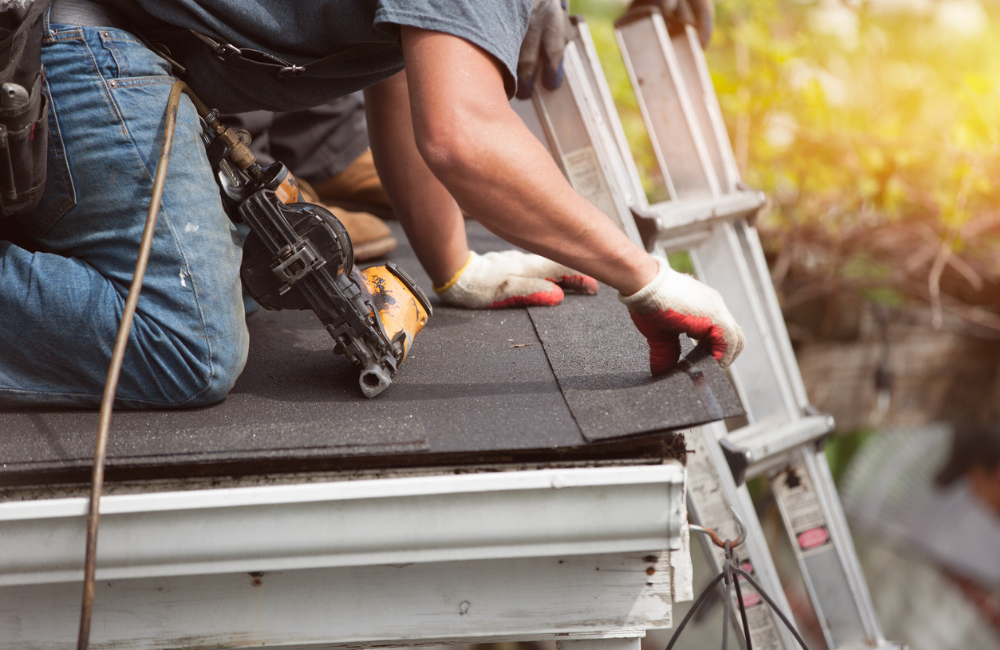
Most homeowners spend their time worrying about missing shingles or clogged gutters, but there is a small metal component that often goes unnoticed until things go wrong. This is the drip edge. It is a thin strip of metal installed along the edges of your roof to direct water away from the fascia and into the gutters. If you are currently looking for quality roof repair Eagle Mountain, you likely already understand that small details can have a massive impact on the overall health of your home. A compromised drip edge might look like a minor cosmetic flaw, but it is actually a primary line of defense against rot and structural failure.
The Role of a Drip Edge
A drip edge is basically the gatekeeper of your roof perimeter. It sits underneath the first layer of shingles and overhangs the edge of the roof deck. Its main job is to use surface tension to pull water off the roof and push it out away from the wooden components of the house. Without it, water would simply run down the face of the boards or seep backward under the shingles through capillary action. When this metal strip gets bent, rusted, or pulled away, that protection disappears. Instead of a clear path to the ground, rainwater finds its way into the vulnerable cracks between your roof deck and your exterior walls.
Water Damage and Wood Rot
The biggest threat from a damaged drip edge is wood rot. Your fascia boards and the edges of your roof decking are usually made of wood or composite materials that do not handle constant moisture well. When the drip edge is failing, water clings to the underside of the shingles and soaks directly into the wood. Since this area is often tucked away, you might not notice the rot until the wood becomes soft or starts to crumble. By the time you see dark stains on your eaves, the structural integrity of the roof edge is likely already compromised. Replacing a few feet of metal is cheap, but replacing entire sections of a rotted roof deck is a major financial headache.
Inviting Pests Into Your Attic
Water is not the only thing that loves a gap in your roofline. Small animals and insects are always looking for a way into the warmth of your attic space. A damaged or improperly installed drip edge often leaves a small gap between the roof deck and the fascia board. This is essentially a front door for squirrels, rats, and wasps. Once they find a tiny opening, they will chew and pick at the softened, damp wood until the hole is big enough for them to move in. Keeping your drip edge in good shape seals these entry points and keeps your attic from becoming a wildlife sanctuary.
Soil Erosion and Foundation Issues
It sounds strange to think that a piece of metal on your roof affects the ground, but it absolutely does. When the drip edge is damaged, water does not always make it into the gutters properly. Instead, it can overshoot the gutter or leak behind it, dripping directly onto the ground next to your foundation. Over time, this concentrated dripping causes soil erosion. If enough water pools around your foundation, it can lead to basement leaks or even foundation settling. A functional drip edge ensures that the entire water management system of your home works as intended, from the peak of the roof down to the soil.
Shingle Stability and Wind Resistance
The drip edge also provides a firm surface for the first row of shingles to rest on. This is called the starter course. When the metal is damaged or missing, the shingles at the edge of the roof lack proper support. During high winds, these shingles are much more likely to lift or blow off completely. Once the edge shingles are gone, the wind can get underneath the rest of the roof, leading to a domino effect of damage. Keeping that metal edge secure helps lock down the perimeter of your roof and prevents wind from peeling back your expensive shingles like an orange.
Signs You Need a Replacement
You do not always need a ladder to tell if your drip edge is in trouble. Look for signs of “tiger stripping” on your gutters, which are dark streaks caused by water overflowing or bypassing the metal edge. You should also check for any metal strips that look wavy, rusted, or detached from the roofline. If you notice your shingles are curling or lifting at the very edge of the house, the metal underneath might be failing. Catching these issues early during a quick walk around your yard can save you thousands of dollars in hidden water damage repairs down the road.
Final Word
Your roof is a complex system where every part depends on the others to stay dry and secure. Neglecting a small piece of flashing might seem easy when you are busy, but your home needs that structural protection to last through the seasons. If you want to keep your property in top shape, staying on top of roof repair Eagle Mountain will ensure your attic stays dry, and your foundation stays solid for years to come.


