


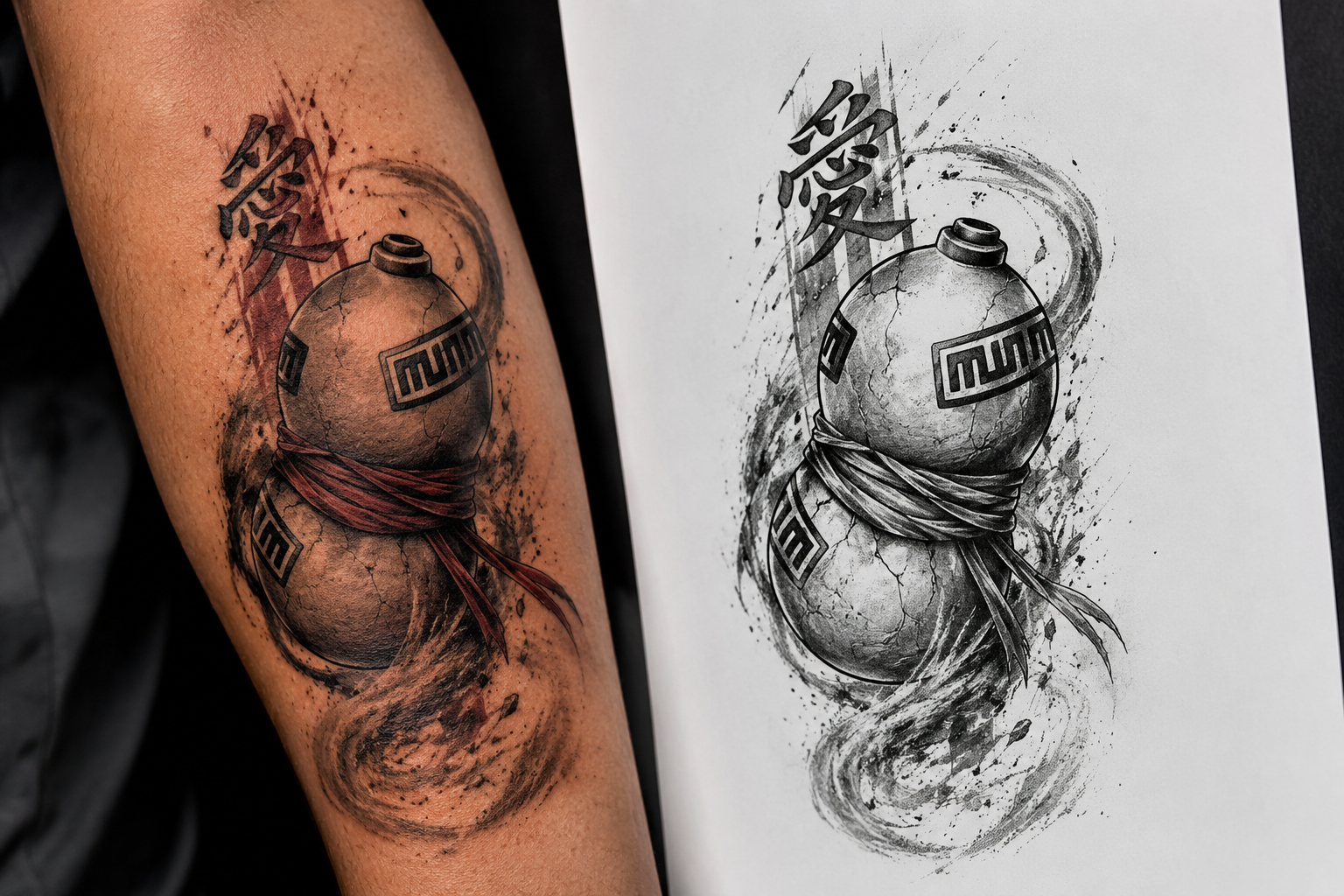
A single kanji character. One word. And yet it carries the weight of an entire character’s trauma, isolation, and eventual redemption. If you’ve ever paused a Naruto rewatch to zoom in on Gaara’s forehead, you already know the mark I’m talking about — and if you’re thinking about getting a gaara tattoo yourself, you’re not alone. It’s one of the most requested anime tattoos in shops that specialize in Japanese-inspired ink.
This guide breaks down what the tattoo actually means, why it hits differently once you know Gaara’s backstory, and what to think about before you book an appointment for your own version.
What Is the Gaara Tattoo?
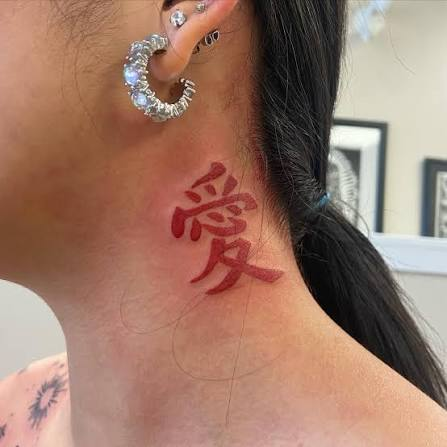
Gaara’s tattoo is the kanji character 愛 (pronounced “ai”), which translates to “love” in English. In the anime and manga, he carved it into his own forehead as a child using his sand-manipulation ability, and it stays with him for the rest of the series.
It’s not a decorative symbol he picked because it looked cool. It’s tied directly to the darkest chapter of his childhood, which is exactly why fans connect with it on a deeper level than most anime tattoos.
The Real Story Behind the Symbol
Gaara was born with a tailed beast, Shukaku, sealed inside him before birth — a decision made by his own father for political and military reasons. That single choice shaped almost everything that happened to him afterward.
His mother died during childbirth, and the people of his village feared and avoided him as he grew up. The person he trusted most, his uncle, was later revealed to have been sent to kill him, which shattered whatever trust in others Gaara had left. Believing he could never be loved by anyone else, he carved the kanji for love onto his own forehead as a declaration that he would love only himself.
That’s the twist most people don’t expect: the tattoo didn’t start as a symbol of hope. It started as a coping mechanism for a child who had been failed by nearly everyone around him.
How the Meaning Changes Later in the Story
As the series progresses, Gaara’s relationship with the symbol shifts. Through his encounters with Naruto — someone who understands isolation on a similarly personal level — and through learning the truth about his mother’s love for him, Gaara slowly moves from self-isolation toward genuine connection with others.
Also Read: F95Zone: A Comprehensive Guide to the Popular Online Gaming Community
By the time he becomes Kazekage, the leader of his village, the same kanji reads differently. It’s no longer about loving only himself. It’s become a reminder of how far he’s come, and a quiet promise to protect the people who once feared him.
This transformation is a big part of why the tattoo resonates with real people. It’s not just anime fandom — it’s a visual shorthand for going from isolation to belonging.
Why People Choose a Gaara Tattoo
Ask around at any tattoo convention with a strong anime crowd, and you’ll hear a few recurring reasons people get this design:
- Personal growth. Many wearers say the tattoo marks their own journey out of a difficult period — depression, loneliness, or feeling misunderstood.
- Self-love, not vanity. Because the kanji literally means love, some people choose it as a daily reminder to be kinder to themselves.
- Fandom tribute. Plenty of fans simply love Gaara as a character and want a subtle nod to Naruto that isn’t an obvious full-color portrait.
- A quieter alternative to anime portraits. A single kanji character ages better than a detailed illustration and is easier to place discreetly.
None of these reasons need to be dramatic. Some people just genuinely like the character and the way the story is told — and that’s a perfectly good reason too.
Popular Design Variations
You don’t have to copy the tattoo exactly as it appears on Gaara’s forehead. Here’s how most people adapt it:
| Style | Description | Best For |
|---|---|---|
| Classic kanji only | Just the 愛 character, red or black ink | Minimalists, first-timers |
| Kanji with sand details | The character blended into a small sand-swirl or gourd motif | Naruto fans who want it clearly tied to Gaara |
| Forehead placement | True to the source material | Bold statement pieces, higher pain tolerance needed |
| Wrist, forearm, or ribs | More discreet, easy to cover for work | People who want the meaning without the visibility |
| Combined with other elements | Paired with a crescent moon, raccoon (Shukaku reference), or other Naruto symbols | Fans who want a more layered design |
Placement Considerations
The forehead is the most faithful placement, but it’s also the least forgiving — it’s visible, painful, and permanent in a very public spot. Most tattoo artists will talk you through less extreme alternatives if you’re not ready to commit to that level of visibility. The forearm, ribcage, behind the ear, and ankle are common substitutes that still feel personal without inviting a conversation with every stranger you meet.
Getting the Kanji Right
This part matters more than people expect. Kanji tattoos are notorious for going wrong when someone copies a character without checking it against a native speaker or a reliable dictionary. A single stroke difference can change the meaning entirely, or turn it into something that isn’t even a real word.
Before you get inked:
- Confirm the character is 愛 (ai), not a similar-looking kanji.
- Ask your artist if they’ve worked with kanji or Japanese script before — not every tattoo artist has the steady hand this style requires.
- Bring a printed reference so the stencil matches the exact character, stroke order, and proportions.
- If you’re adding extra elements (sand, gourd, moon), have the artist sketch a custom design rather than combining random stock images. This gives you a piece that looks intentional instead of cluttered.
Aftercare Basics
Once the tattoo is done, healing matters just as much as the design itself:
- Keep the area clean and follow your artist’s specific aftercare instructions — these can vary slightly by studio.
- Avoid direct sun exposure and swimming pools for at least two to three weeks.
- Moisturize with a fragrance-free product recommended by your artist.
- Avoid picking at scabs, even if the area itches. This is one of the most common ways people damage fresh linework.
- Forehead and other high-friction areas (like hands or feet) generally take longer to heal and are more prone to fading, so budget extra care time if you choose one of those spots.
Is a Gaara Tattoo a Good Choice for You?
There’s no universal answer here — it depends on what you want the tattoo to represent. If you’re drawn to the story of turning isolation into connection, or you simply love the character, it’s a design with genuine narrative depth behind it, which is more than most trending tattoo designs can say.
That said, it’s worth being honest with yourself about placement and permanence. A forehead tattoo is a major commitment in a way that a wrist or forearm piece isn’t. If you’re unsure, start with a smaller, more private placement. You can always go bigger or bolder later; you can’t easily undo a highly visible piece you’re not fully sure about.
Key Takeaways
- The gaara tattoo is the kanji 愛 (“ai”), meaning “love,” which Gaara carved into his own forehead as a child.
- The meaning shifts across the story — from a symbol of self-isolation to one of growth, protection, and belonging.
- Fans choose this tattoo for personal growth, self-love reminders, or simple appreciation of the character.
- Popular placements include the forehead (classic but bold), forearm, wrist, and ribs (more discreet).
- Always verify the kanji character with a reliable source before getting inked — small stroke errors change the meaning.
- Aftercare and artist experience with script tattoos both affect how well the design ages over time.
FAQs
What does Gaara’s tattoo actually say?
It’s the Japanese kanji 愛 (ai), which means “love.” Gaara carved it into his own forehead during childhood.
Why did Gaara give himself the tattoo?
After being betrayed by the one person he trusted, Gaara believed he could never be loved by others, so he marked himself with the symbol for love as a declaration that he would love only himself.
Does the tattoo’s meaning change during the series?
As Gaara builds real relationships and learns the truth about his mother, the tattoo comes to represent growth, connection, and his role as a protector rather than isolation.
Where do most fans place a Gaara-inspired tattoo?
The forehead is the most accurate to the source material, but forearms, wrists, and ribs are common alternatives for people who want something less visible.
Is a single kanji character painful to get tattooed?
Pain varies by placement and personal tolerance. Smaller areas with thin skin (like the wrist or behind the ear) can feel sharper, while fleshier areas like the forearm or shoulder are generally more tolerable.
How do I make sure the kanji is correct?
Double-check the character against a trusted Japanese dictionary or ask a native speaker before your appointment, and choose an artist experienced with script and kanji work.
For more updates visits: OPEN POSTS
