


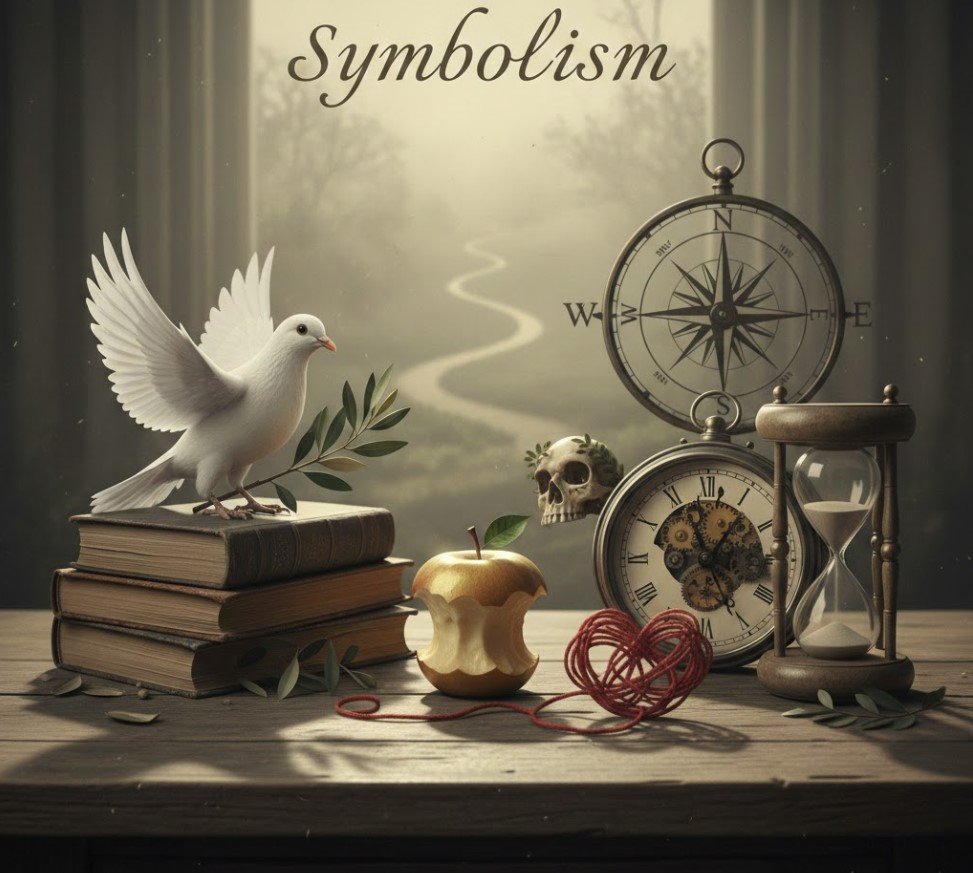
Symbolism is one of the most powerful tools humans use to communicate meaning beyond words. From ancient myths to modern movies, symbolism shapes how we understand stories, emotions, beliefs, and even everyday objects. When people search for symbolism examples, they are often looking for clear explanations, real-world connections, and meaningful interpretations that go beyond surface-level definitions.
This in-depth guide explores symbolism examples across literature, religion, culture, psychology, art, and daily life. It explains how symbols work, why they matter, and how to identify and interpret them correctly. Written with clarity and depth, this article is designed to help students, writers, educators, and curious readers gain a complete understanding of symbolism while following modern SEO and helpful content standards.
What Is Symbolism and Why It Matters
Symbolism is the use of objects, characters, colors, settings, or actions to represent deeper meanings, ideas, or concepts. Rather than stating an idea directly, symbolism allows meaning to unfold subtly, encouraging interpretation and emotional engagement. This technique is widely used because it makes communication richer and more memorable.
People can also read this: If you read this, you won’t be able to stop yourself. Read this now: ‘Daoujindesu’.
Symbolism matters because it reflects how humans naturally think. Our brains are wired to associate images with ideas. A dove suggests peace, darkness implies fear or mystery, and a journey often represents personal growth. These associations allow writers, artists, and speakers to convey complex ideas efficiently and emotionally.
Understanding symbolism examples improves reading comprehension, critical thinking, and emotional intelligence. It also enhances writing skills by allowing creators to express themes without being overly literal or repetitive.
How Symbolism Works in Communication
Symbols work through shared understanding. A symbol only functions when both the creator and the audience recognize its meaning. Some symbols are universal, while others depend on culture, religion, or personal experience.
For example, water often symbolizes life, cleansing, or renewal because it is essential to survival. However, in certain contexts, water can also represent danger, chaos, or the unknown. The meaning depends on how the symbol is used within the story or situation.
Effective symbolism relies on consistency, context, and subtlety. When overused or explained too clearly, symbolism loses its impact. Strong symbolism allows readers or viewers to discover meaning on their own, creating a deeper connection to the message.
Symbolism Examples in Literature
Literature is one of the richest sources of symbolism examples because authors use symbols to express themes, emotions, and moral questions without stating them directly.
People can also read this: West 34 West Kirby Menu: Flavor, Freshness, and Fire
In classic literature, symbolism often reflects universal human experiences. In many novels, light symbolizes knowledge, hope, or truth, while darkness represents ignorance, fear, or evil. These contrasts help readers emotionally connect with characters and themes.
Nature is frequently symbolic in literature. Seasons represent stages of life, with spring symbolizing birth or renewal and winter symbolizing death or endings. Storms often symbolize inner conflict or emotional turmoil, while calm weather reflects peace or resolution.
Objects also carry symbolic meaning. A broken mirror may symbolize fractured identity or bad luck. A locked door can represent secrecy, limitation, or missed opportunity. These symbolism examples allow authors to communicate psychological depth without lengthy explanations.
Symbolism Examples in Poetry
Poetry relies heavily on symbolism because it uses limited words to convey powerful emotions and ideas. Poets often choose images that resonate emotionally and intellectually at the same time.
A rose commonly symbolizes love, beauty, or passion, but it can also represent fragility or loss when paired with thorns or wilting petals. The moon frequently symbolizes loneliness, femininity, or the passage of time. Birds often symbolize freedom, escape, or the soul.
Poetic symbolism is often subjective, meaning interpretations may vary. This openness invites readers to engage personally with the poem, making symbolism a deeply interactive literary device.
Symbolism Examples in Religious and Spiritual Contexts
Religion is filled with symbolism examples that communicate moral lessons, spiritual truths, and divine concepts. These symbols often carry centuries of meaning and cultural influence.
In Christianity, the cross symbolizes sacrifice, redemption, and faith. Light represents divine presence and truth, while darkness symbolizes sin or spiritual separation. Bread and wine symbolize sustenance, unity, and sacred covenant.
People can also read this: Luna Moth Symbolism Death Meaning, Transformation, and Spiritual Awakening
In Islam, light symbolizes guidance and divine wisdom. Water represents purification and mercy. In Hinduism and Buddhism, the lotus flower symbolizes purity, enlightenment, and spiritual awakening because it grows clean from muddy water.
These religious symbolism examples help followers understand abstract spiritual ideas through familiar imagery, making belief systems more accessible and emotionally resonant.
Symbolism Examples in Art and Visual Media
Visual art uses symbolism to communicate meaning without words. Painters, sculptors, and filmmakers rely on symbols to convey emotion, theme, and narrative depth.
Colors play a major symbolic role in art. Red often symbolizes passion, love, danger, or power. Blue suggests calmness, sadness, or spirituality. White is commonly associated with purity or innocence, while black represents death, mystery, or authority.
In films, symbolism is often embedded in setting and imagery. A recurring object may reflect a character’s inner struggle. A confined space can symbolize emotional imprisonment, while open landscapes suggest freedom or self-discovery.
Understanding symbolism examples in visual media enhances appreciation and allows viewers to engage with stories on a deeper level.
Symbolism Examples in Culture and Society
Cultural symbolism shapes national identity, traditions, and shared values. These symbols often appear in flags, rituals, and public monuments.
A national flag symbolizes unity, history, and collective identity. Colors and patterns often reflect historical struggles or ideals. Animals are frequently used as cultural symbols, such as eagles representing strength and freedom or lions symbolizing courage and leadership.
People can also read this: Cecropia Moth Symbolism Meaning, Spiritual Messages, and Life Lessons
Gestures can also be symbolic. A handshake symbolizes agreement or trust, while bowing represents respect in many cultures. These symbolism examples demonstrate how meaning is embedded in everyday actions and objects.
Symbolism Examples in Psychology and Human Behavior
In psychology, symbolism is closely linked to the subconscious mind. Dreams, for example, are filled with symbolic imagery that reflects inner thoughts, fears, and desires.
A dream about falling may symbolize loss of control or insecurity. Being chased can represent avoidance of a problem. Water may symbolize emotional state, with calm water reflecting peace and turbulent water indicating stress or anxiety.
Psychologists often analyze symbolic behavior to understand emotional patterns. Personal symbols vary based on experience, making symbolism a powerful tool for self-reflection and emotional awareness.
Symbolism Examples in Everyday Life
Symbolism is not limited to art or literature. It appears constantly in daily life, shaping how people interpret the world around them.
Wedding rings symbolize commitment and unity. A graduation cap represents achievement and transition. Traffic lights symbolize rules, safety, and order. Even clothing choices can be symbolic, expressing identity, mood, or social status.
People can also read this: The Mysterious Symbolism of the Moth: Truth or Myth?
These everyday symbolism examples show how meaning is woven into ordinary objects, influencing behavior and communication without conscious thought.
How to Identify Symbolism in Text and Media
Recognizing symbolism requires attention to repetition, emphasis, and context. When an object, color, or action appears repeatedly or is described in detail, it often carries symbolic meaning.
Understanding symbolism also involves asking questions about what the symbol represents emotionally or thematically. Considering the broader message of the work helps clarify interpretation. Symbolism rarely exists in isolation; it supports themes and character development.
Strong readers and viewers learn to balance personal interpretation with contextual clues, ensuring that symbolism is understood accurately rather than assumed randomly.
Common Misunderstandings About Symbolism
One common mistake is assuming that every detail is symbolic. While symbolism is powerful, not every object carries hidden meaning. Effective analysis focuses on patterns and relevance rather than forcing interpretation.
Another misunderstanding is believing symbols have fixed meanings. While some symbolism examples are widely accepted, meaning often changes based on context, culture, and author intent. Flexibility and evidence-based interpretation are essential.
Why Symbolism Enhances Writing and Communication
Symbolism enriches communication by adding depth and emotional resonance. It allows writers and speakers to express complex ideas efficiently while engaging the audience intellectually and emotionally.
In persuasive writing, symbolism subtly shapes emotions and guides audience perception. When used in storytelling, it deepens themes and strengthens character arcs without overt explanation. Within education, this technique enhances retention and critical thinking by encouraging interpretation rather than simple memorization.
People can also read this: Alaikas Meaning, Origins, Uses, and Modern Relevance
Mastering symbolism examples empowers individuals to communicate more effectively and interpret messages with greater awareness.
Symbolism in Modern Media and Digital Culture
In modern media, symbolism has adapted to digital platforms. Emojis symbolize emotions and reactions. Logos represent brand identity and values. Viral images often become symbols of social movements or collective experiences.
For example, a raised fist has become a symbol of resistance and solidarity. Hashtags symbolize collective voice and awareness. These modern symbolism examples show how symbolic communication continues to evolve with technology.
Understanding these symbols helps individuals navigate digital culture thoughtfully and responsibly.
Teaching and Learning Symbolism Effectively
Teaching symbolism involves encouraging exploration rather than providing fixed answers. Discussing multiple interpretations helps learners understand how meaning is constructed and communicated.
Using diverse symbolism examples from literature, media, and daily life makes learning relatable. Connecting symbols to personal experience deepens understanding and engagement.
People can also read this: Checwifeswap A Comprehensive Guide to Meaning, Practice, and Modern Relationship Dynamics
When taught effectively, symbolism becomes a tool for creativity, empathy, and critical thinking rather than confusion or overanalysis.
Conclusion
Symbolism is a timeless and universal form of communication that shapes how humans express ideas, emotions, and beliefs. From ancient myths to modern digital culture, symbolism examples reveal hidden layers of meaning that enrich understanding and connection.
By learning how symbolism works and recognizing it across literature, religion, art, psychology, and everyday life, readers gain valuable insight into both communication and human nature. Symbolism invites curiosity, interpretation, and emotional engagement, making it one of the most powerful tools in language and expression.
Whether you are studying literature, creating content, or simply observing the world more closely, understanding symbolism examples allows you to see beyond the surface and connect with meaning on a deeper level.
FAQs
What is symbolism?
Symbolism is the use of objects, images, or actions to represent deeper meanings or ideas.
Why is symbolism important in writing?
It adds depth, emotion, and meaning without stating ideas directly.
What are common symbolism examples?
Light for hope, darkness for fear, water for renewal, and journeys for personal growth.
Is symbolism always intentional?
Not always; some symbols emerge naturally based on culture or reader interpretation.
How can students identify symbolism?
By noticing repeated elements, strong imagery, and connections to themes.
For more updates visits: OPEN POSTS

2 Comments
Pingback: Food in Bolivia A Complete Guide to Traditional Flavors, Culture, and Cuisine - Open Posts
Pingback: https://docs.google.com/document/__pii_deleted__ Guide