


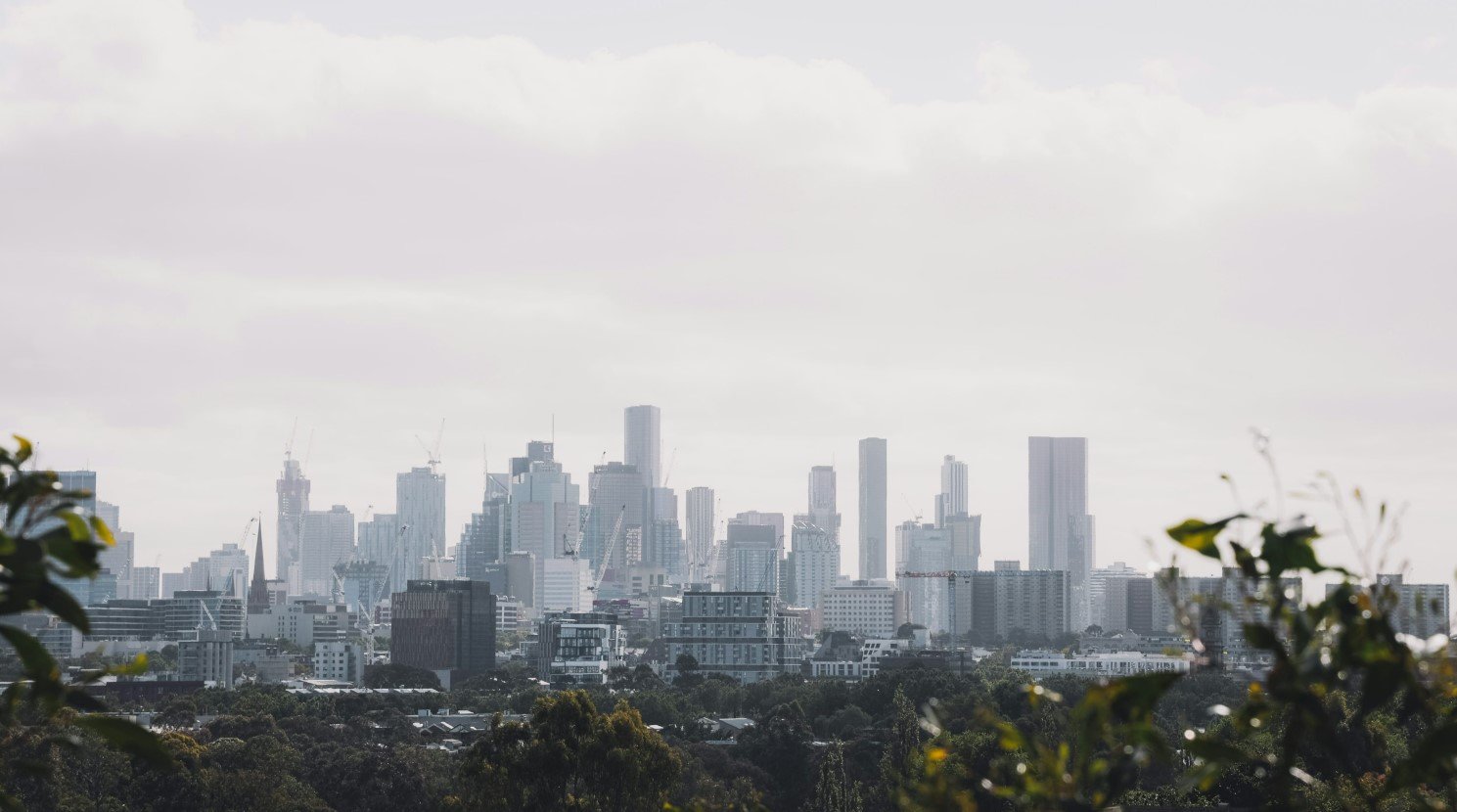
Panorama City is one of those neighborhoods that quietly tells a powerful story about urban growth, community resilience, and cultural diversity in Los Angeles. Often discussed in relation to the San Fernando Valley, Panorama City represents much more than a geographic location. It reflects decades of transformation shaped by post-war development, immigration, entrepreneurship, and evolving city planning. Today, Panorama City stands as a dynamic area where residential life, commerce, healthcare, and culture intersect, making it an important part of the broader Los Angeles landscape.
This in-depth guide explores Panorama City from every meaningful angle, offering historical context, lifestyle insights, economic relevance, and a forward-looking perspective. Whether you are a resident, a potential homeowner, an investor, or simply someone researching the area, this article provides authoritative, experience-backed information designed to meet modern SEO standards while remaining genuinely useful to readers.
The Historical Roots of Panorama City
Panorama City was established in the late 1940s as one of the first planned suburban communities in the San Fernando Valley. Developed during a period of rapid expansion after World War II, the area was designed to accommodate returning veterans and their families who were seeking affordable housing near Los Angeles. The original vision focused on wide streets, accessible shopping centers, and modest single-family homes that reflected the optimism of the era.
People can also read this: Panorama of World Alaikas Discover the Wonders of This Unique Perspective
The name Panorama City itself symbolized the sweeping views of the surrounding valley and the promise of a fresh start. Early development included one of the first enclosed shopping malls in the region, which quickly became a social and economic hub. Over time, Panorama City evolved as new populations moved in, particularly during the latter half of the twentieth century, bringing cultural richness and diversity that continues to define the neighborhood today.
Panorama City’s Location and Urban Significance
Strategically located in the central San Fernando Valley, Panorama City enjoys proximity to major freeways, including Interstate 5 and State Route 170. This connectivity has played a major role in shaping the neighborhood’s economic and residential appeal. Residents can access downtown Los Angeles, Hollywood, Burbank, and other key areas without excessive commute times, making Panorama City a practical choice for working professionals and families.
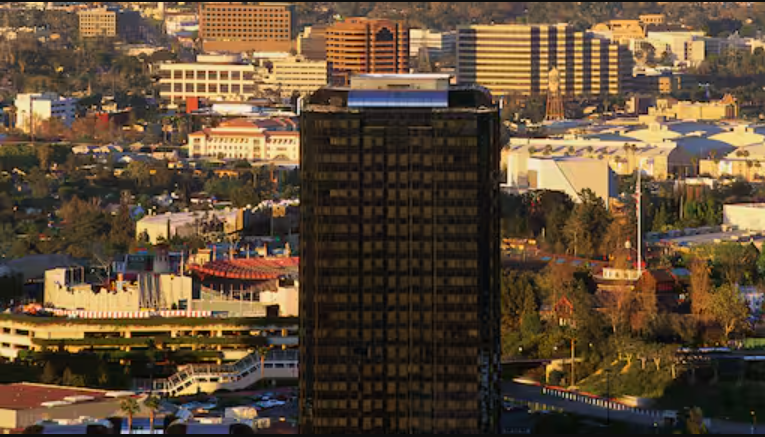
Urban planners and local authorities often highlight Panorama City as a critical link between residential zones and employment centers. The area’s accessibility supports healthcare facilities, retail corridors, and small businesses that serve not only local residents but also surrounding communities.
Demographics and Cultural Diversity in Panorama City
One of Panorama City’s defining characteristics is its cultural diversity. The neighborhood is home to residents from various ethnic and linguistic backgrounds, with a strong presence of Latino communities alongside other cultural groups. This diversity has shaped local traditions, food, businesses, and community events, creating a vibrant social fabric.
Also Read: Qi2 Wireless Charging Alaikas: The Future of Efficient and Convenient Charging with Alaikas
Cultural influence can be seen in neighborhood festivals, family-owned restaurants, local markets, and places of worship. This multicultural environment fosters a sense of belonging and contributes to Panorama City’s reputation as a welcoming and inclusive area within Los Angeles.
Residential Life and Housing Trends
Housing in Panorama City reflects its layered history. Original post-war homes coexist with apartment complexes, townhomes, and newer developments. This mix allows residents to choose from a wide range of housing options depending on budget and lifestyle needs.
In recent years, interest in Panorama City real estate has increased due to rising property values across Los Angeles. Compared to some neighboring areas, Panorama City has remained relatively affordable, attracting first-time buyers and long-term investors. Renovation projects and infill developments have also contributed to gradual neighborhood revitalization without erasing its established character.
Renters find Panorama City appealing because of its access to employment centers and public transportation. Homeowners often appreciate the sense of community and the potential for property appreciation as infrastructure improvements continue.
Economic Activity and Employment Opportunities
Panorama City supports a diverse local economy driven by healthcare, retail, education, and service industries. One of the most significant economic anchors is the presence of major medical facilities, which provide employment to thousands of healthcare professionals and support staff. These institutions also attract related businesses, such as pharmacies, medical offices, and rehabilitation centers.
Retail corridors remain active, with shopping centers, supermarkets, and specialty stores serving everyday needs. Small businesses play a crucial role in the local economy, reflecting the entrepreneurial spirit of residents. From auto repair shops to family-owned restaurants, these enterprises contribute to economic stability and neighborhood identity.
Education and Learning Institutions
Education is an essential part of life in Panorama City. The neighborhood offers access to public schools, charter schools, and nearby higher education institutions. Local schools serve a diverse student population and often emphasize bilingual education and community engagement.
Parents and students benefit from proximity to vocational training centers and community colleges within the San Fernando Valley. These institutions provide pathways to skilled employment and upward mobility, reinforcing Panorama City’s role as a place where families can build long-term futures.
Healthcare and Community Services
Healthcare access is one of Panorama City’s most notable strengths. The area is widely recognized for its medical infrastructure, which includes hospitals, clinics, and specialized care centers. These facilities not only serve residents but also attract patients from across the region.
Also Read: Who is Rosemary Margaret Hobor Biography All About John Candy’s Wife and Artist
Community services extend beyond healthcare. Nonprofit organizations, youth programs, and senior services contribute to quality of life and social support. Public libraries, recreational centers, and community outreach programs help foster connection and lifelong learning among residents of all ages.
Transportation and Accessibility
Transportation options in Panorama City reflect its urban planning roots and ongoing improvements. Public transit includes bus routes connecting the neighborhood to major transit hubs and employment centers. Ongoing discussions around transit-oriented development aim to further enhance mobility and reduce reliance on private vehicles.
For drivers, access to major highways remains a key advantage. This connectivity supports local commerce and makes Panorama City a convenient base for commuting across Los Angeles County.
Commercial Development and the Role of Panorama Tower
Commercial development has always been central to Panorama City’s identity. Over the decades, shopping centers and office buildings have adapted to changing consumer needs. A notable symbol of modernization and vertical development in the area is the concept of the panorama tower, which represents the shift toward mixed-use and higher-density projects.
The idea behind a panorama tower aligns with broader urban trends that emphasize efficient land use, integrated living spaces, and economic vitality. Such developments often combine residential units, offices, and retail spaces, creating walkable environments that benefit both residents and businesses. While Panorama City retains its suburban roots, these vertical elements signal a forward-looking approach to growth.
Lifestyle, Food, and Local Attractions
Life in Panorama City is shaped by everyday experiences rather than tourist attractions. Local parks provide green spaces for families and outdoor activities. Community events, school functions, and neighborhood gatherings create opportunities for social interaction.
Also Read: Cracker Barrel Menu for Today’s Specials: Delicious Daily Selections You Can’t Miss!
The food scene is particularly vibrant, reflecting the area’s cultural diversity. Restaurants and food vendors offer a wide range of cuisines, with traditional flavors passed down through generations. These establishments are more than places to eat; they serve as social anchors where community bonds are strengthened.
Safety, Community Engagement, and Neighborhood Identity
Safety and community engagement are ongoing priorities in Panorama City. Like many urban neighborhoods, the area has faced challenges over the years. However, community organizations, neighborhood councils, and local initiatives have worked to address concerns through collaboration and advocacy.
Residents often emphasize the importance of knowing neighbors and supporting local businesses as key elements of neighborhood safety and pride. This sense of shared responsibility contributes to Panorama City’s resilience and ongoing improvement.
Real Estate Investment and Future Outlook
From an investment perspective, Panorama City presents long-term potential. Infrastructure upgrades, healthcare expansion, and gradual commercial redevelopment contribute to steady growth. Investors often view the area as an opportunity to enter the Los Angeles market at a more accessible price point compared to coastal or central neighborhoods.
Future planning initiatives focus on sustainability, housing availability, and economic inclusion. As the city evolves, Panorama City is expected to play an increasingly important role in meeting regional housing and employment needs.
Environmental Considerations and Urban Planning
Urban planning in Panorama City increasingly emphasizes sustainability and livability. Efforts to improve walkability, enhance public spaces, and promote energy-efficient buildings reflect broader environmental goals within Los Angeles.
Community input plays a role in shaping these initiatives, ensuring that development aligns with residents’ needs. Balancing growth with environmental responsibility remains a key challenge, but it also presents opportunities for innovation and community-led solutions.
The Human Experience of Panorama City
Beyond statistics and infrastructure, Panorama City is defined by the people who live and work there. Longtime residents share stories of change and continuity, while newcomers bring fresh perspectives and energy. This blend of history and progress creates a neighborhood identity that is both grounded and adaptable.
Also Read: Full Spectrum CBD Capsules Benefits, Uses, and What You Should Know
Daily life in Panorama City includes family routines, local traditions, and shared spaces that foster connection. These human elements are what ultimately give the neighborhood its character and enduring appeal.
Conclusion
Panorama City is more than a neighborhood within Los Angeles. It is a living example of how planned communities evolve over time, shaped by economic forces, cultural diversity, and human resilience. From its post-war origins to its present-day role as a healthcare and residential hub, Panorama City continues to adapt while retaining its core identity.
As development trends introduce concepts like the panorama tower and mixed-use growth, the neighborhood stands at a crossroads between tradition and innovation. For residents, investors, and observers alike, Panorama City offers valuable insights into urban living, community strength, and the future of city neighborhoods in Southern California.
For more updates visits: OPEN POSTS

3 Comments
Pingback: Anker Qi2 Wireless Charger: Essential Tech for 2026
Pingback: Best Portable Air Conditioner A Complete Expert Guide for Smart Cooling Choices - Open Posts
Pingback: Panorama of World Alaikas A Global View of Meaning, Culture, and Legacy - Open Posts